

Metformin, Rapamycin, and Geroscience Drugs: Ocular Outcomes
Metformin is a widely used diabetes medication that also activates AMP-activated kinase (AMPK), mimics calorie restriction, and can reduce cellular...
Deep research and expert guides on maintaining your visual health.
Metformin is a widely used diabetes medication that also activates AMP-activated kinase (AMPK), mimics calorie restriction, and can reduce cellular...
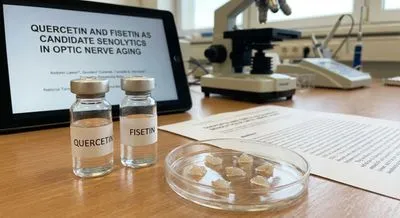
Senescent cells build up in key eye tissues. In the trabecular meshwork (TM), senescence stiffens the meshwork and increases resistance to fluid...
Blind spots often develop gradually without symptoms. Start a free trial and take a quick visual field test to spot changes early.
Find Out NowSenolytics are a type of experimental treatment that aim to remove senescent cells from the body. Senescent cells are cells that have stopped dividing but remain alive and often secrete inflammatory and tissue-damaging molecules. While senescence can be helpful in wound healing or cancer suppression, these cells tend to build up as we age and in certain diseases, contributing to chronic inflammation and tissue decline. Senolytic agents selectively target and eliminate these problematic cells so that tissues can repair and function more normally. In animal studies, clearing senescent cells has improved mobility, organ function, and some features of aging, which has generated excitement about possible human benefits. Research in people is still early, so the safety, best dosing, and long-term effects are under active study. Because these treatments change how cells survive, they can have side effects and may interact with other conditions or medicines, so careful testing is essential. If successful, senolytic therapies could become tools to treat age-related diseases and improve quality of life rather than simply treating symptoms. For now, they represent a promising area of research that may change how we think about aging and chronic disease in the future.