
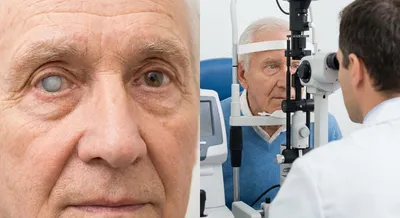
Which Is Worse Cataracts or Glaucoma
Yet cataracts and glaucoma both become more common with age and often occur together, so understanding their differences matters for any patient....
Deep research and expert guides on maintaining your visual health.
Yet cataracts and glaucoma both become more common with age and often occur together, so understanding their differences matters for any patient....
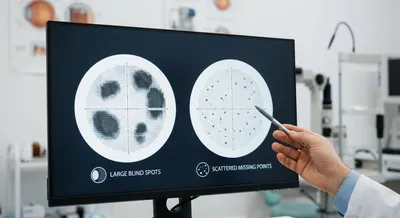
Diffuse or scattered defects (small-point losses) – Other patients show many isolated points of sensitivity loss scattered across the field, often...

Patient History and Questionnaires: Start by asking targeted questions every visit. Simple questions like “Do you have trouble reading or driving at...
Track peripheral vision changes between eye doctor visits. Start your free trial and get results in under 5 minutes.
Quality of life describes how good or satisfying a person’s everyday life feels across many areas, including physical comfort, mental health, social relationships, and the ability to do things they value. It goes beyond medical tests and diagnoses to capture how health and circumstances affect daily functioning and well-being. People consider pain and energy levels, mobility and independence, mood, work or hobbies, and connections with family and friends when judging their quality of life. It includes both subjective experience—how someone feels—and objective abilities, such as performing routine tasks. Because it is personal, two people with the same health condition can report very different quality of life. Quality of life matters because it shows the real-world effects of illness and treatment on people’s daily lives. Measuring it helps healthcare providers and caregivers focus on outcomes that matter to patients, such as staying independent, reducing pain, or maintaining social roles. It also influences medical decisions by showing whether a therapy improves how people function and feel, not just clinical numbers. Public health planners and policymakers use quality of life information to prioritize services and allocate resources. Typical measurement uses standardized questionnaires and interviews that ask about symptoms, daily activities, emotions, and social participation.