

Blue Zones and Centenarians: Ocular Phenotypes of Exceptional Agers
As people age, common eye disorders become more frequent. Major culprits include AMD (a deterioration of the central retina), cataracts (clouding of...
Deep research and expert guides on maintaining your visual health.
As people age, common eye disorders become more frequent. Major culprits include AMD (a deterioration of the central retina), cataracts (clouding of...
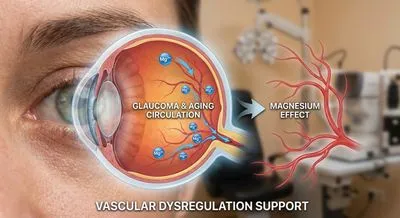
Magnesium influences blood vessels and endothelial function in several ways:
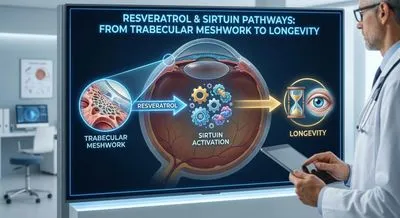
The TM tissue acts as the eye’s drainage filter and becomes less cellular and more dysfunctional in glaucoma. Chronic oxidative stress and...
Healthy aging means keeping your body, mind, and daily life functioning as well as possible as you get older. It isn't just about living longer — it's about staying independent, active, and engaged in things you care about. Good habits like balanced eating, regular physical activity, enough sleep, and avoiding smoking all support healthy aging. Mental stimulation, social connections, and managing stress are also important for preserving memory and mood. Preventive health care, such as vaccines and routine screenings, helps catch problems early and maintain quality of life. Maintaining muscle strength and balance reduces the risk of falls, which are a common cause of disability in older people. Small, consistent changes—walking more, improving diet, or staying socially active—can make a big difference over time. Genetics play a role, but lifestyle and access to health care are key factors people can change. Focusing on function and independence helps people prioritize what matters most in daily life as they age. Thinking about healthy aging early gives you more options to stay healthy and enjoy a better quality of life later on.