
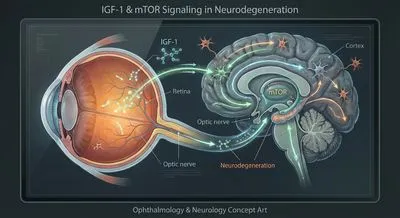
IGF-1, mTOR Signaling, and Neurodegeneration Across Eye and Brain
IGF-1 is a small protein hormone closely related to insulin. It is made in the liver (and in some tissues) under the influence of growth hormone. In...
Deep research and expert guides on maintaining your visual health.
IGF-1 is a small protein hormone closely related to insulin. It is made in the liver (and in some tissues) under the influence of growth hormone. In...
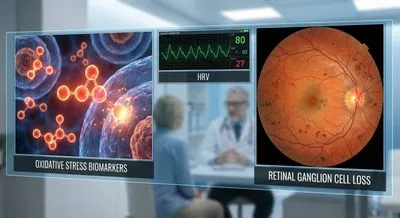
In this article, we explain what oxidative stress markers like F2-isoprostanes, malondialdehyde (MDA), and 8-hydroxy-2’-deoxyguanosine (8-OHdG) are,...
The autonomic nervous system is the part of the nervous system that controls automatic body functions you don’t have to think about. It has two main branches: one that prepares the body for action in stressful situations and another that promotes rest, digestion, and repair. These branches work together to adjust heart rate, blood pressure, breathing, digestion, temperature, and other processes so your body can respond to changing needs. Signals travel through nerves and chemical messengers that speed up or slow down organs as needed. This system matters because it keeps your internal environment stable and helps you handle everyday challenges from exercise to emotional stress. When it works well you barely notice it, but dysfunction can lead to symptoms like fainting, dizziness, fast or slow heart rate, digestive troubles, or trouble regulating body temperature. Clinicians assess its function indirectly through measurements such as heart rate changes, blood pressure responses, and sweat tests. Treatments and lifestyle changes—such as exercise, hydration, medication, and stress management—can improve its function and reduce symptoms.