

mTOR/Autophagy Modulation by Amino Acids in RGC Degeneration
Cells constantly balance between building up structures and recycling damaged parts. mTOR is a Master growth sensor: when nutrients are abundant,...
Deep research and expert guides on maintaining your visual health.
Cells constantly balance between building up structures and recycling damaged parts. mTOR is a Master growth sensor: when nutrients are abundant,...
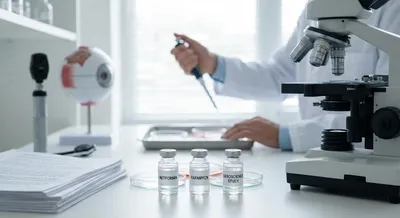
Metformin is a widely used diabetes medication that also activates AMP-activated kinase (AMPK), mimics calorie restriction, and can reduce cellular...
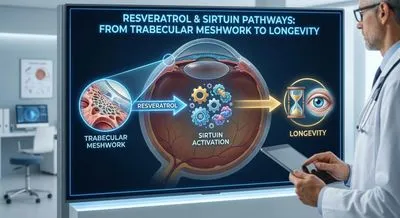
The TM tissue acts as the eye’s drainage filter and becomes less cellular and more dysfunctional in glaucoma. Chronic oxidative stress and...
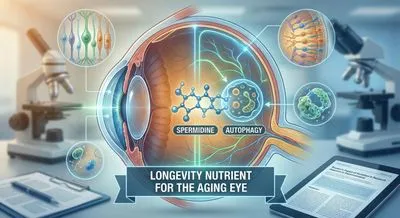
By inducing autophagy, spermidine helps cells clear damaged components and maintain mitochondrial health. For example, chronic spermidine feeding in...
Track peripheral vision changes between eye doctor visits. Start your free trial and get results in under 5 minutes.
Autophagy is the cell’s built-in recycling system that breaks down and removes damaged or unnecessary components, such as proteins and worn-out organelles. The name means “self-eating,” and it works by enclosing unwanted material in small vesicles that are delivered to the cell’s degradation centers for reuse or disposal. This process runs continuously at a low level in healthy cells and increases when the cell is stressed, for example during fasting, infection, or energy shortage. By clearing debris and recycling building blocks, autophagy helps cells maintain energy balance, repair themselves, and survive under difficult conditions. Autophagy matters because it prevents the buildup of toxic material that can impair cell function and contribute to aging and disease. When autophagy is impaired, damaged components accumulate and can promote conditions like neurodegeneration, metabolic problems, and certain eye disorders. Researchers are interested in autophagy because enhancing or restoring it may slow cellular damage and improve tissue health. Lifestyle choices such as diet and exercise, and some drugs or natural compounds, can influence autophagy, so understanding this process points to practical ways to support long-term health.