
How to Prevent Glaucoma
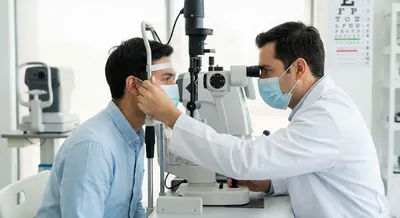
Regular comprehensive eye exams are critical because glaucoma damage is often silent until it is advanced. By getting an exam early (a “baseline”...
Deep research and expert guides on maintaining your visual health.
Regular comprehensive eye exams are critical because glaucoma damage is often silent until it is advanced. By getting an exam early (a “baseline”...

The reason has to do with eye fluid dynamics. Our eyes continuously produce a clear fluid (aqueous humor) that drains through a meshwork in the front...
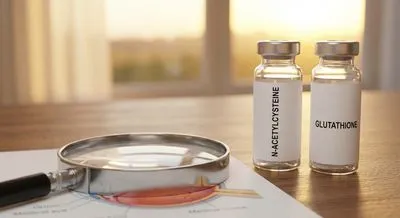
NAC is a lipid-soluble cysteine source that crosses cell membranes and is quickly converted to cysteine, the rate-limiting building block for...
Blind spots often develop gradually without symptoms. Start a free trial and take a quick visual field test to spot changes early.
Find Out NowOcular health refers to the overall well-being and proper function of the eyes and the structures that support vision. This includes the surface of the eye that keeps it comfortable and moist, the clear lens that focuses images, the retina that senses light, and the optic nerve that carries signals to the brain. Keeping these parts healthy is important because problems in any of them can cause pain, loss of sight, or interfere with daily activities like reading and driving. Many things affect ocular health, including aging, injury, infections, inflammation, poor nutrition, and systemic conditions such as diabetes and high blood pressure. Environmental factors like ultraviolet light, smoke, and air pollution can also damage the eyes over time, while good nutrition, regular eye exams, protective eyewear, and controlling chronic illnesses help protect them. Simple habits such as not smoking, using sunglasses, staying hydrated, and eating foods rich in antioxidants and omega-3 fatty acids can support eye tissues and reduce risk. Regular checkups allow early detection of common problems so treatments can preserve vision and comfort. If you notice changes like blurring, double vision, pain, flashes of light, or sudden loss of vision, prompt medical attention is important to prevent lasting harm.