

Pyruvate Supplementation for Glaucoma: Comparing Forms, Efficacy, and Global Availability
Pyruvate is a three-carbon compound our bodies make when sugars are broken down for energy (). Think of it as a key fuel molecule: it can enter cells...
Deep research and expert guides on maintaining your visual health.
Pyruvate is a three-carbon compound our bodies make when sugars are broken down for energy (). Think of it as a key fuel molecule: it can enter cells...
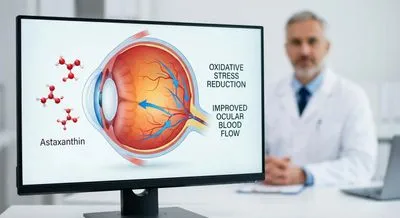
Astaxanthin protects eye cells from oxidative damage. In animal models of eye disease, AXT reduced markers of stress and inflammation in the retina...
Our visual field test is inspired by the perimetry methods eye care professionals use. Check for blind spots and track changes over time.
Test Your VisionMitochondrial health refers to how well the tiny powerhouses inside cells are working to produce energy, regulate cell processes, and control signals that keep cells alive and balanced. Mitochondria generate most of a cell's usable energy in the form of a molecule called ATP, and when they function well, tissues like the brain, muscles, and heart get the fuel they need to perform. When mitochondrial function is impaired, energy production drops and harmful byproducts such as reactive oxygen species can rise, which may contribute to fatigue, muscle weakness, aging, and a higher risk of certain diseases. Factors that can damage mitochondria include poor diet, lack of exercise, chronic stress, exposure to toxins, and the natural aging process. Supporting mitochondrial health matters because these structures influence overall energy levels, metabolic health, and how well cells recover from stress or injury. Simple lifestyle choices—regular physical activity, a balanced diet rich in antioxidants and healthy fats, good sleep, and avoiding excessive alcohol or smoking—can help maintain mitochondrial function. Some people also explore specific nutrients or medical approaches designed to support mitochondria under professional guidance. Symptoms like persistent tiredness, trouble concentrating, or decreased exercise tolerance can be signs that mitochondrial function should be evaluated. Paying attention to this aspect of cellular health can improve daily energy and long-term resilience of organs and tissues.