
Vasospasm, Cold Hands, and Normal-Tension Glaucoma: The Raynaud’s Connection
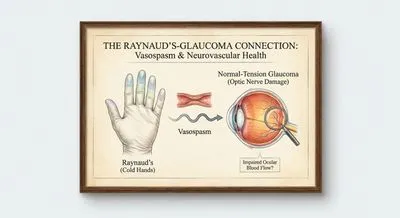
Raynaud’s phenomenon is a condition where cold or stress causes the small arteries in the fingers and toes to spasm and shut down blood flow (turning...
Deep research and expert guides on maintaining your visual health.
Raynaud’s phenomenon is a condition where cold or stress causes the small arteries in the fingers and toes to spasm and shut down blood flow (turning...
Track peripheral vision changes between eye doctor visits. Start your free trial and get results in under 5 minutes.
Stress reduction means using techniques and daily habits to lower the physical and mental reaction your body has to pressure, worry, or demand. It includes practices like deep breathing, gentle exercise, mindfulness or meditation, better sleep routines, and pacing tasks so you do not become overwhelmed. These actions calm the nervous system, reduce stress hormones such as cortisol, and turn down the body’s “fight-or-flight” response. When that response is quieter, heart rate and blood pressure are steadier and small blood vessels are less likely to tighten too much. That improved balance helps blood flow to the hands, feet, and eyes and can reduce symptoms tied to poor circulation. Stress reduction matters because ongoing stress can worsen many health complaints and make circulation-related problems more frequent or intense. People who use regular calming practices often see fewer episodes of cold hands, numbness, or discomfort linked to restricted blood flow. Simple daily steps—short walks, progressive muscle relaxation, cutting back on stimulants like caffeine, and maintaining regular sleep—can make a big difference. If anxiety or mood problems are severe, working with a doctor or counselor can help add effective treatments and make stress-management strategies easier to follow.