

The Glaucoma Energy Crisis: How Pyruvate Rescues Failing Eyes (And Why Your Fitness Level Matters)
Even if you load up on pyruvate, an inactive body won’t convert it to extra ATP unless it’s needed. Instead, the surplus pyruvate enters normal...
Deep research and expert guides on maintaining your visual health.
Even if you load up on pyruvate, an inactive body won’t convert it to extra ATP unless it’s needed. Instead, the surplus pyruvate enters normal...
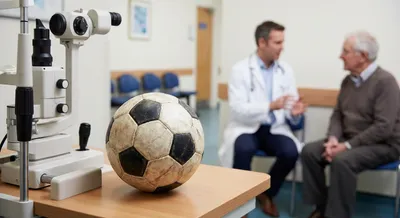
Playing soccer provides excellent cardiorespiratory exercise. The running, jogging, and game movement substantially raise heart rate and build...

After you stop running, your blood pressure usually remains elevated for a minutes (especially if the pace was high) and then falls back. Immediately...
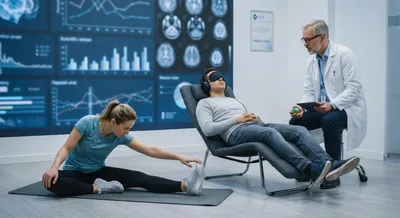
Researchers are interested in lifestyle factors because glaucoma involves more than just eye pressure. Things like poor blood flow, stress, or low...

For example, activated microglia are known to release TNF-α and IL-1β which can trigger retinal ganglion cell death. Studies in animal models and...
Track peripheral vision changes between eye doctor visits. Start your free trial and get results in under 5 minutes.
Exercise refers to planned, structured physical activity done to improve fitness, health, or performance. Common forms include aerobic activities like walking, running, or cycling; strength training with weights or resistance bands; and flexibility and balance practices such as stretching or yoga. Regular movement strengthens the heart and lungs, builds and maintains muscle, improves joint function, and helps control weight. Exercise also supports mental health by reducing stress, lowering symptoms of anxiety and depression, and improving mood and sleep. Health guidelines generally recommend a mix of moderate aerobic activity and muscle-strengthening sessions most weeks for overall benefit. Intensity matters: light activity is better than none, moderate activity raises the heartbeat and leaves you slightly breathless, and vigorous activity pushes you harder. People should choose activities they enjoy so they can stick with them, and start slowly after illness or a long break to avoid injury. Even small changes, like taking stairs, doing short walking breaks, or adding a few minutes of strength work, add up over time. Exercise plays a key role in preventing many chronic conditions, helping with recovery from some health problems, and preserving independence as people age. For most people, combining consistency, variety, and reasonable progression makes exercise both safe and effective.