

Road Cycling and Glaucoma: Aerobic Advantage with Posture and Safety Considerations
In addition, regular exercise helps the body’s autonomic nervous system (which controls things like heart rate and blood vessel tone) to stay in...
Deep research and expert guides on maintaining your visual health.
In addition, regular exercise helps the body’s autonomic nervous system (which controls things like heart rate and blood vessel tone) to stay in...
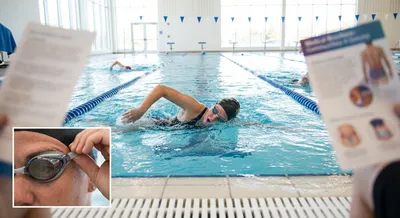
However, swimming has some unique eye-related factors. Tight-fitting goggles, the face-down posture of freestyle, and chlorinated pool water can...

Basketball also provides important social and emotional benefits. Social sports help reduce stress, build confidence, and combat isolation. A...
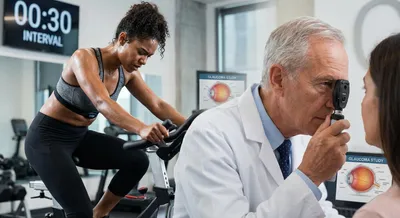
HIIT involves repeated short bursts of intense exercise (often 80–100% of maximum effort) alternated with brief rest or low-intensity periods ()....
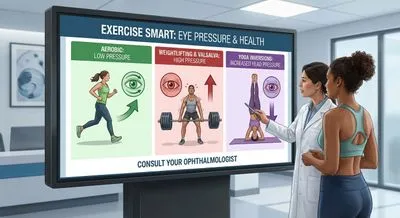
These spikes matter because sudden high IOP can strain the optic nerve and blood vessels in the eye. In fact, heavy straining has been linked to eye...
Aerobic exercise means continuous, rhythmic activities that raise your heart rate and breathing for an extended time. Common examples include brisk walking, jogging, cycling, swimming, dancing, and group fitness classes. These activities use large muscle groups and rely on oxygen to help your body produce energy, which is why they are often called “cardio.” Regular aerobic exercise strengthens the heart and lungs, helps your body use oxygen more efficiently, and improves overall endurance and stamina. It also burns calories, supports healthy weight management, and lowers the risk of conditions like heart disease, type 2 diabetes, and some forms of dementia. Most health guidelines recommend aiming for about 150 minutes of moderate activity or 75 minutes of vigorous activity per week, split across several days. You can measure intensity simply: during moderate activity you can talk but not sing, while vigorous activity makes conversation difficult. Aerobic workouts also boost mood by releasing endorphins and can improve sleep and energy levels. To get benefits and avoid injury, start slowly if you’re new, mix in rest days, and choose activities you enjoy so you stick with them long term.