

How to Prevent Glaucoma
Regular comprehensive eye exams are critical because glaucoma damage is often silent until it is advanced. By getting an exam early (a “baseline”...
Deep research and expert guides on maintaining your visual health.
Regular comprehensive eye exams are critical because glaucoma damage is often silent until it is advanced. By getting an exam early (a “baseline”...
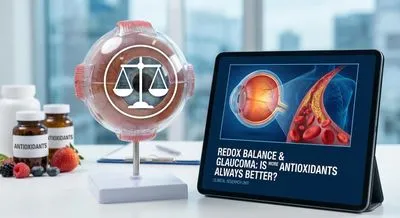
The eye is particularly sensitive because it has high oxygen use and is exposed to light. Normally, your eye fluids and tissues contain antioxidants...

Multiple supplements are promoted in glaucoma, often for their antioxidant or circulation effects. For example, Ginkgo biloba is thought to improve...
Biologists studying aging (“longevity pathways”) have identified key regulators – AMPK, mTOR, sirtuins, autophagy, and cellular senescence – that...
Glaucoma supplements are products—usually pills, powders, or liquids—marketed to support eye health and slow the progression of glaucoma. They commonly contain vitamins, antioxidants, omega-3 fatty acids, and plant extracts that are thought to protect nerve cells or improve blood flow to the eye. People take them to try to preserve vision, reduce damage to the optic nerve, or complement pressure-lowering treatments prescribed by eye doctors. While some ingredients have laboratory or small clinical studies suggesting potential benefits, the overall scientific evidence is often limited and mixed. Supplements are not a replacement for standard glaucoma care such as eye drops, laser, or surgery that directly lower eye pressure. Safety matters because some ingredients can interact with prescription drugs, cause side effects, or be harmful in high doses. The manufacturing and labeling of supplements are less strictly regulated than medicines, so product quality and ingredient amounts can vary between brands. Because of these uncertainties, it is important to talk with an eye care professional before starting any supplement, especially if you have other medical conditions or take medications. If a supplement is used, it should be part of a broader plan that includes regular eye exams and treatments recommended by your doctor. Thoughtful use under medical guidance can help people avoid false hopes, reduce risks, and make better decisions about protecting their vision.