
The Gut–Eye Axis and Ocular Health
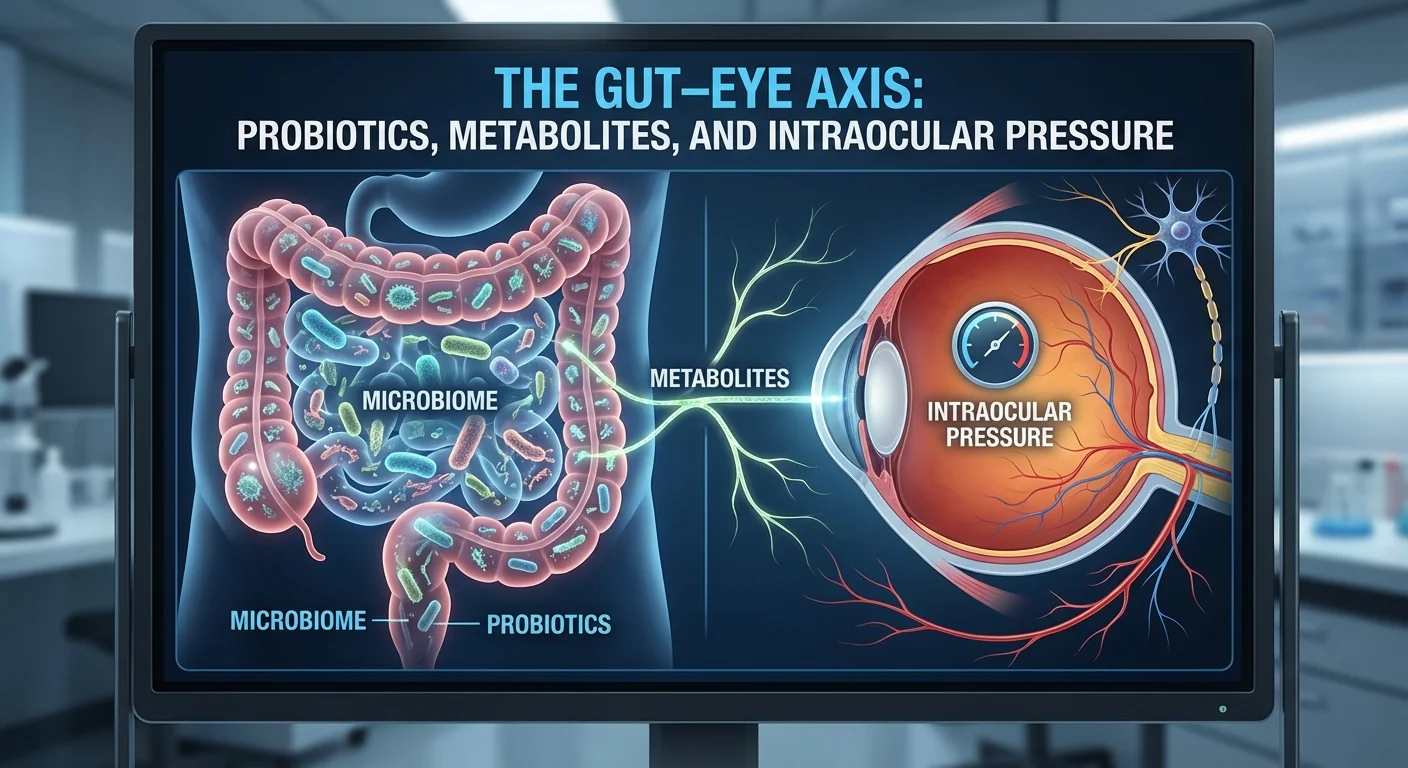
The emerging concept of a gut–eye axis recognizes that gut microbes and their products can affect the eye. Gut bacteria ferment fibers to produce short-chain fatty acids (SCFAs) (like acetate, propionate, butyrate) and modify bile acids (BAs). These metabolites enter the circulation and can reach the eye, influencing its immune environment and function (pmc.ncbi.nlm.nih.gov). For example, microbial dysbiosis – an imbalance in gut flora – has been linked to ocular diseases from age-related macular degeneration and uveitis to dry eye and glaucoma (pmc.ncbi.nlm.nih.gov). In fact, a recent survey found that gut imbalance is associated with multiple eye conditions, and only a handful of early trials (four of 25 studies) have tested interventions like probiotics or fecal transplants on eye disease (pmc.ncbi.nlm.nih.gov). This gut–eye axis suggests that gut-derived SCFAs, BAs, and even inflammatory components (like LPS) could modulate ocular immune tone (the baseline immune status) and affect tissues like the trabecular meshwork (the fluid drainage filter) and intraocular pressure (IOP).
Microbial Metabolites and Ocular Immunity
Short-Chain Fatty Acids (SCFAs)
SCFAs are fatty acids with fewer than six carbon atoms, mainly acetate, propionate, and butyrate, produced by gut bacteria digesting fiber. They regulate immune responses systemically (www.frontiersin.org) (pmc.ncbi.nlm.nih.gov). In the eye, SCFAs exert anti-inflammatory effects. In mouse models, injected SCFAs were detected in ocular tissues and reduced inflammation from endotoxin (LPS) exposure (pubmed.ncbi.nlm.nih.gov) (pmc.ncbi.nlm.nih.gov). This shows SCFAs can cross the blood–eye barrier via blood and calm intraocular inflammation. For instance, intraperitoneal butyrate in mice dampened LPS-induced uveitis, reducing pro-inflammatory cytokines and boosting regulatory T cells (pubmed.ncbi.nlm.nih.gov) (pmc.ncbi.nlm.nih.gov). Likewise, a review notes SCFAs attenuate ocular inflammation after systemic injection (pmc.ncbi.nlm.nih.gov). These anti-inflammatory actions imply SCFAs help maintain a healthy ocular immune tone (keeping immune activity in check).
In contrast, gut-derived pro-inflammatory signals can harm the eye. Gut bacteria (especially Gram-negative) release LPS which triggers innate immune receptors like TLR4. TLR4 signaling is known to affect the trabecular meshwork and has been genetically linked to primary open-angle glaucoma (www.frontiersin.org). In animals, giving LPS worsens retinal neuronal loss and photoreceptor damage (www.frontiersin.org). Thus, a balanced gut flora (with abundant SCFA-producers) supports eye health, while dysbiosis may flood the eye with inflammatory signals.
Bile Acids
Bile acids (BAs) are cholesterol-derived compounds made by the liver and modified by gut microbes. Aside from digesting fats, BAs are signaling molecules with anti-inflammatory and neuroprotective roles (pmc.ncbi.nlm.nih.gov). Emerging evidence highlights BAs’ benefits in retinal and ocular disorders. For example, ursodeoxycholic acid (UDCA) and its taurine-conjugate TUDCA have shown protective effects in diabetic retinopathy and macular degeneration models (pmc.ncbi.nlm.nih.gov). In mouse diabetic retinopathy models, UDCA treatment restored the blood-retinal barrier and sharply reduced retinal inflammation (lowering IL-1β, IL-6) (pmc.ncbi.nlm.nih.gov). UDCA also preserved capillary integrity and reduced cell loss in the retina (pmc.ncbi.nlm.nih.gov). Moreover, systemic UDCA or TUDCA suppressed aberrant blood vessel growth (choroidal neovascularization) in ocular injury models (pmc.ncbi.nlm.nih.gov). Mechanistically, BAs act via receptors like FXR and TGR5. In experimental uveitis, low BA levels were found, and restoring BAs (through TGR5 signaling) dampened NF-κB activation in immune cells (pmc.ncbi.nlm.nih.gov). Thus, gut-derived BAs can modulate ocular immunity and inflammation, complementing SCFA effects.
Effects on Intraocular Pressure and Trabecular Meshwork
The trabecular meshwork (TM) is a spongy tissue that drains aqueous fluid to maintain normal IOP. If TM function falters, IOP rises (as in glaucoma). Microbial metabolites may influence TM and IOP in several ways:
-
SCFAs and IOP: In rodents, systemic butyrate acutely lowered IOP. In one study, injecting normotensive rats with butyrate significantly dropped their IOP (lasting for the experiment) (pmc.ncbi.nlm.nih.gov). This IOP-reducing effect occurred without parallel blood pressure changes, indicating a direct ocular action (pmc.ncbi.nlm.nih.gov). The mechanism is unclear, but may involve SCFA receptors on TM cells or neuroprotective effects on ocular nerves.
-
Inflammatory components: Gut-derived LPS and cytokines might reach the TM. There is evidence that gut bacteria produce reactive oxygen species and inflammatory cytokines that travel to the optic nerve or TM (pmc.ncbi.nlm.nih.gov). Chronic low-grade systemic inflammation (for example from obesity-driven dysbiosis) is associated with higher glaucoma risk. Obesity is known to elevate IOP and glaucoma risk (pmc.ncbi.nlm.nih.gov), partly through gut-immune interactions (pmc.ncbi.nlm.nih.gov). Thus, a pro-inflammatory gut milieu can stiffen or clog the TM. For instance, variants in TLR4 (the LPS receptor) correlate with TM changes in glaucoma (www.frontiersin.org). Conversely, SCFAs can help maintain TM health by reducing inflammation and oxidative stress. While direct SCFA effects on TM cells need more research, systemic SCFAs may indirectly keep IOP normal via neurovascular effects.
-
Bile acids and IOP: Direct data are limited. However, BAs’ anti-inflammatory/neuroprotective properties (as seen in retina) suggest they might favor TM function under stress (e.g., uveitic glaucoma). Activating BA receptors (like TGR5) could modulate TM cell signaling. In related ocular conditions, activating nuclear receptors (like liver X receptor or RXR) has protected the TM from inflammation in glaucoma models (pubmed.ncbi.nlm.nih.gov). Thus, microbial modulation of BA pools may subtly influence IOP regulation.
Translational Animal-to-Human Evidence
Preclinical models strongly link the gut to eye disease, but human data are emerging. In animal studies:
-
Mice without gut microbes (germ-free) or with antibiotics show less eye damage. For example, germ-free mice developed much less experimental autoimmune uveitis than normal mice (pmc.ncbi.nlm.nih.gov). Similarly, mice raised germ-free did not develop the retinal ganglion cell loss seen in glaucoma-model mice with a normal microbiome (pmc.ncbi.nlm.nih.gov). This suggests gut microbes are required for certain ocular autoimmune/inflammatory processes. Supplementing SCFAs or probiotics also helps: oral propionate reduced uveitis severity by increasing regulatory T cells while blocking inflammatory cell migration between gut and eye (www.frontiersin.org) (pubmed.ncbi.nlm.nih.gov).
-
The aged microbiome also influences ocular aging. In one study, transferring stool from old mice into young mice increased gut permeability and retinal inflammation, raising cytokines (CCL11, IL-1β) and lowering levels of RPE65 (an important visual-cycle protein) in the retina (pmc.ncbi.nlm.nih.gov). Remarkably, doing the reverse – giving old mice young microbiota – reversed these changes (pmc.ncbi.nlm.nih.gov). This highlights how age-related dysbiosis might drive retinal degeneration via systemic inflammation.
-
Bile acids: experiments show that mice lacking normal BA metabolism suffer worse retinal disease. Conversely, feeding retinal degeneration models with TUDCA protected photoreceptors and prevented cell death (pmc.ncbi.nlm.nih.gov) (pmc.ncbi.nlm.nih.gov). These studies indicate that replenishing beneficial BAs can reduce ocular damage in aging and disease.
In humans, evidence is limited but growing. Sequencing studies find gut dysbiosis in retinal diseases and glaucoma. For instance, a large study found people with glaucoma had fewer butyrate-producing gut bacteria (e.g. Butyrivibrio, Coprococcus, Ruminococcaceae) than controls. Those same taxa were associated with lower IOP and milder optic nerve cupping (pmc.ncbi.nlm.nih.gov). This suggests that a loss of anti-inflammatory SCFA-producers may contribute to glaucoma risk. Likewise, gut dysbiosis (e.g. altered Firmicutes:Bacteroidetes ratio) has been reported in diabetes with retinopathy and in age-related macular degeneration.
Clinical trials targeting the gut for eye disease are very preliminary. A systematic review found only four human interventional studies (pmc.ncbi.nlm.nih.gov). Small pilot trials in ocular surface disease have reported mixed results:
-
Chalazion / Eyelid inflammation: Two studies in children and adults showed that daily oral probiotics (mixtures of Streptococcus thermophilus, Lactococcus lactis, and Lactobacillus delbrueckii) significantly shortened the time to chalazion resolution (pmc.ncbi.nlm.nih.gov) (pmc.ncbi.nlm.nih.gov). In treated groups, small chalazia resolved faster than in controls, with zero adverse effects (pmc.ncbi.nlm.nih.gov) (pmc.ncbi.nlm.nih.gov). This suggests probiotics can modulate local inflammation in lid granulomas, possibly via gut–immune crosstalk.
-
Dry eye (Sjӧgren’s syndrome): A small open-label trial gave fecal microbiota transplants (FMT) to 10 patients with Sjӧgren’s-related dry eye. After two transplants one week apart, 50% reported symptom improvement at 3 months (pmc.ncbi.nlm.nih.gov) (no harms noted). The gut microbial changes were limited, but the ocular benefit hints that altering gut flora can ease chronic eye inflammation (pmc.ncbi.nlm.nih.gov). More recently, a double-blind RCT of 41 dry eye patients compared oral combined probiotic+prebiotic therapy versus placebo for 4 months (pmc.ncbi.nlm.nih.gov). The treatment group showed significantly better symptom scores (mean OSDI 16.8 vs 23.4 in controls, p<0.001) (pmc.ncbi.nlm.nih.gov), although objective tear-film measures did not worsen as in the placebo group. This suggests pre/probiotics may slow dry eye progression. However, in that trial specific inflammatory markers (tear MMP-9, serum CRP) did not significantly change during treatment (pubmed.ncbi.nlm.nih.gov), so the mechanisms remain unclear.
No large trials have yet tested gut therapies for glaucoma or retinal diseases. One recent commentary even proposed using FMT as a theoretical adjunct to glaucoma treatment (pmc.ncbi.nlm.nih.gov), but no clinical results are available. Overall, current human data imply the gut–eye link is plausible, but definitive evidence awaits well-designed trials.
Aging, Inflammation, Metabolic Health, and the Gut–Eye Axis
Systemic aging intersects with the gut–eye axis. As people age, gut microbiota diversity often declines and inflammaging (chronic low-grade inflammation) increases. This can worsen ocular diseases. For example, obesity (a state of metabolic dysregulation and dysbiosis) is a known risk factor for glaucoma (pmc.ncbi.nlm.nih.gov). Dysbiotic microbiomes in obesity fuel systemic inflammation (e.g. endotoxemia) (pmc.ncbi.nlm.nih.gov), which may contribute to higher IOP and optic nerve stress. Likewise, type 2 diabetes involves gut dysbiosis that predisposes to diabetic retinopathy via metabolic inflammation. Restoring healthy metabolites can counteract some effects: as noted, young-Donor microbiota reversed age-related retinal inflammation in mice (pmc.ncbi.nlm.nih.gov).
Immunosenescence (the gradual deterioration of the immune system with age) also plays a role. Older adults have weaker mucosal immunity and are more prone to autoimmunity. Gut dysbiosis in the elderly can exacerbate this, possibly tipping ocular immune privilege toward inflammation. (For instance, aged mice receiving young microbiota showed decreased retinal inflammatory cytokines (pmc.ncbi.nlm.nih.gov).) Thus, maintaining a balanced gut metabolism (“metabolic health”) may help keep ocular immune responses in check during aging.
Safety, Strain Specificity, and Trial Design Challenges
Microbiome-based therapies face several hurdles. Safety is generally good for oral probiotics in healthy people, but rare serious infections (e.g. in immunocompromised patients) have been reported. The right strain matters: not all probiotics are equal. Evidence suggests only specific gut bacteria exert anti-inflammatory eye effects. A recent review warned that “extensive variability” in probiotic formulations is a major limitation, and stressed the need to define exactly which strains, combinations, and doses work best in ocular trials (pmc.ncbi.nlm.nih.gov). In practice, most studies use multi-strain products (like the chalazion studies), making it hard to attribute effects to one microbe.
Trial design is also challenging. Ocular outcomes (e.g. IOP, visual field, imaging) often change slowly, requiring long follow-up and large samples to detect microbiome intervention effects. Placebo control and masking can be difficult if patients notice GI changes. Additionally, individual gut microbiomes vary widely, so personalized responses are likely. Standardizing dietary factors and background treatments is essential. The ideal probiotic dose, duration, and delivery (oral vs topical) remain unknown. Topical probiotics (applying beneficial bacteria directly to the ocular surface) are being explored, but systemic effects may differ from local ones (pmc.ncbi.nlm.nih.gov) (pmc.ncbi.nlm.nih.gov).
In summary, while preclinical data are promising, translating them requires careful choice of strains/metabolites and rigorous trial methods. Early human trials hint at benefit for surface inflammatory conditions, but more evidence is needed before recommending gut-targeted therapies for IOP or retinal diseases.
Conclusion
The gut–eye axis highlights a novel intersection between microbiology and ophthalmology. Microbial metabolites like SCFAs and bile acids can cross systemic barriers to influence ocular immunity, potentially affecting diseases from dry eye to glaucoma. Animal studies show that restoring beneficial gut metabolites (e.g. butyrate, UDCA) dampens eye inflammation and may even lower IOP (pubmed.ncbi.nlm.nih.gov) (pmc.ncbi.nlm.nih.gov). Human studies are few but suggest possible benefits of probiotics for inflammatory eye conditions (pmc.ncbi.nlm.nih.gov) (pmc.ncbi.nlm.nih.gov). Aging and metabolic health further tie these systems together, as inflammaging and dysbiosis with age worsen ocular inflammation. Moving forward, rigorously designed clinical trials are needed to test specific probiotic strains, prebiotics, or metabolite therapies for the eye. If successful, modulating the gut microbiome could become a safe and innovative way to support eye health, complementing traditional IOP-lowering and immunosuppressive treatments.