
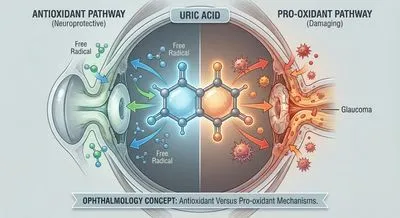
Uric Acid: Antioxidant Versus Pro-oxidant in Glaucoma
Studies of serum UA in glaucoma patients have yielded mixed results. A 2023 systematic review and meta-analysis (1,221 glaucoma patients vs. 1,342...
Deep research and expert guides on maintaining your visual health.
Studies of serum UA in glaucoma patients have yielded mixed results. A 2023 systematic review and meta-analysis (1,221 glaucoma patients vs. 1,342...
Blind spots often develop gradually without symptoms. Start a free trial and take a quick visual field test to spot changes early.
Find Out NowA pro-oxidant is any substance or process that encourages oxidation, which means it promotes the creation of reactive molecules that can damage cells and other important parts of the body. These reactive molecules, often called free radicals or reactive oxygen species, can harm DNA, proteins, and fats if they build up faster than the body can neutralize them. Pro-oxidant activity isn’t always bad: the immune system purposely uses reactive molecules to help destroy bacteria and other invaders. However, when pro-oxidant forces overwhelm the body’s natural defenses, a state called oxidative stress can develop and contribute to aging and many chronic diseases such as heart disease, cancer, and neurodegenerative disorders. Sources of pro-oxidants include pollution, cigarette smoke, excessive alcohol, certain metals, and some chemical reactions inside inflamed tissues. The balance between pro-oxidants and protective molecules is important for health, and researchers measure this balance when studying disease risk and treatments. Reducing exposure to environmental pro-oxidants, eating a varied diet, and maintaining a healthy lifestyle are common ways to limit harmful effects. Clinicians and scientists also study pro-oxidant activity to understand how to prevent or treat conditions linked to oxidative damage.