

Nocturnal hypotension, sleep apnea, and ocular perfusion: continuous monitoring studies
Importantly, body position and sleep also matter. Normally, when you lie down, intraocular pressure (IOP) tends to rise (by 10–20%) because eye fluid...
Deep research and expert guides on maintaining your visual health.
Importantly, body position and sleep also matter. Normally, when you lie down, intraocular pressure (IOP) tends to rise (by 10–20%) because eye fluid...
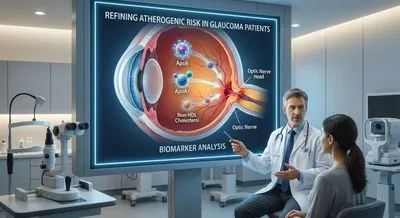
For example, a recent expert consensus noted that “ApoB…represents the total concentration of atherogenic lipoprotein particles” and “more accurately...
Optic nerve perfusion means the blood flow that reaches the optic nerve, the bundle of nerve fibers that carries visual signals from the eye to the brain. Just like any tissue, the optic nerve needs a steady supply of oxygen and nutrients delivered by the bloodstream to function properly. If that blood flow drops too low or becomes irregular, nerve cells can become injured, and vision can be lost. Perfusion depends on overall blood pressure, the health of the blood vessels that feed the eye, and factors inside the eye that influence circulation. Problems such as narrowed arteries, very low blood pressure, or conditions that raise pressure inside the eye can reduce perfusion and harm the optic nerve. Doctors assess optic nerve health with eye exams and imaging tests that look at structure and blood flow; preserving perfusion is a key goal in treating many eye conditions. Improving cardiovascular health, managing blood pressure, and treating eye-specific issues can help protect the nerve. Because damage to the optic nerve can be permanent, maintaining good perfusion is important for preserving long-term vision. Understanding optic nerve perfusion matters because it links general health—like blood vessel disease and blood pressure—to how well we see. Treatments and lifestyle changes that improve blood flow can prevent or slow vision loss, making perfusion a critical concept in eye care and overall health management.