

GLP-1 Peptides and Glaucoma Risk: What We Know and What to Watch
A nationwide Danish registry study also found that GLP-1 agonist use was linked to a lower glaucoma risk. Compared to diabetic patients on other...
Deep research and expert guides on maintaining your visual health.
A nationwide Danish registry study also found that GLP-1 agonist use was linked to a lower glaucoma risk. Compared to diabetic patients on other...
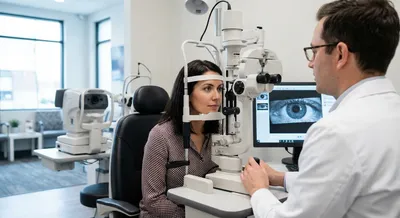
Knowing that the eye’s angle may stabilize in midlife is reassuring in that it may not continue to close rapidly in later years. But for at-risk...
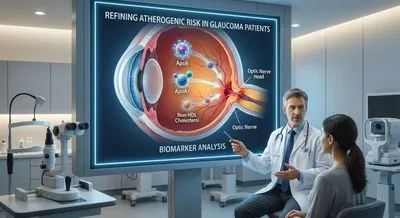
For example, a recent expert consensus noted that “ApoB…represents the total concentration of atherogenic lipoprotein particles” and “more accurately...
Screen your peripheral vision from home — no downloads, no waiting rooms. Sign up for a free trial and test in under 5 minutes.
Glaucoma risk means the likelihood that someone will develop or experience worsening of glaucoma, a group of eye conditions that damage the optic nerve and can lead to vision loss. Higher pressure inside the eye is a common factor, but glaucoma can also occur with normal eye pressure due to poor blood flow or other vulnerabilities of the optic nerve. Age, family history, being of certain ethnic backgrounds, thin corneas, and a history of eye injury or certain medications all raise a person’s chances. Systemic health issues such as high blood pressure, diabetes, and vascular disease can influence blood flow to the optic nerve and may increase risk. Because the early stages often have no symptoms, many people do not know they have the condition until noticeable vision is lost, making risk assessment and screening important. Eye exams that measure eye pressure, assess the optic nerve, and test peripheral vision help detect glaucoma early and determine individual risk. Identifying risk allows doctors to start treatments like eye drops, laser therapy, or surgery to lower eye pressure or protect blood flow before irreversible damage occurs. Lifestyle choices such as controlling blood pressure and blood sugar, avoiding smoking, and maintaining a healthy weight can help reduce the chance of progression. Regular monitoring is key because glaucoma risk can change over time, and early intervention greatly improves the chance of preserving vision. If you have risk factors or a family history, discussing screening and prevention with an eye care provider can help protect your sight.