
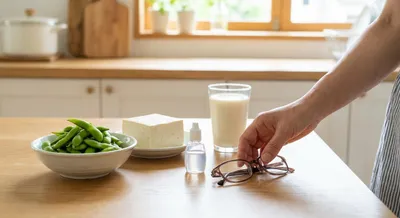
Soy Foods, Phytoestrogens, and Glaucoma in Women
Glaucoma is roughly twice as common in older adults, and women make up a large portion of patients. Researchers have long noticed that female...
Deep research and expert guides on maintaining your visual health.
Glaucoma is roughly twice as common in older adults, and women make up a large portion of patients. Researchers have long noticed that female...
Screen your peripheral vision from home — no downloads, no waiting rooms. Sign up for a free trial and test in under 5 minutes.
Menopause is the natural time in a person’s life when menstrual periods stop permanently because the ovaries produce much less of the hormones that trigger periods. It most often happens in a person's late 40s to early 50s, but the age can vary. The transition into menopause can bring symptoms like hot flashes, night sweats, sleep problems, mood changes, and vaginal dryness. These changes happen because hormone levels are shifting and the body is adjusting to new signals. Menopause matters because it affects many parts of health, not just monthly cycles. Bone density can decrease after menopause, and heart disease risk may change, so preventive care becomes more important. There are a range of ways to manage symptoms, from lifestyle steps like diet, exercise, and sleep habits to medical treatments for those who need them. Emotional and social support also helps, because this life stage can bring identity shifts and practical changes. Talking with a healthcare professional can help people choose safe and effective approaches that match their needs and preferences.