
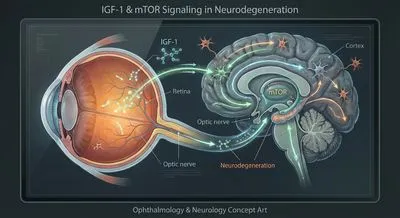
IGF-1, mTOR Signaling, and Neurodegeneration Across Eye and Brain
IGF-1 is a small protein hormone closely related to insulin. It is made in the liver (and in some tissues) under the influence of growth hormone. In...
Deep research and expert guides on maintaining your visual health.
IGF-1 is a small protein hormone closely related to insulin. It is made in the liver (and in some tissues) under the influence of growth hormone. In...
Track peripheral vision changes between eye doctor visits. Start your free trial and get results in under 5 minutes.
Insulin resistance means the body's cells do not respond well to the hormone insulin, which normally tells cells to take up glucose from the blood for energy. When cells are resistant, the pancreas compensates by producing more insulin to keep blood sugar levels normal, but over time that extra demand can wear out the pancreas. As a result, blood sugar can begin to rise, which is a hallmark of prediabetes and type 2 diabetes, and insulin resistance often appears with higher blood fats and high blood pressure. Common contributors include excess body fat (especially around the belly), physical inactivity, poor sleep, certain medications, and genetic predisposition. At the cellular level, problems can occur at the insulin receptor or in the signaling chain inside the cell, but the practical effect is that cells stop “listening” properly to insulin. This condition matters because it increases the risk of heart disease, stroke, fatty liver, and other long-term complications beyond diabetes. The encouraging news is that insulin resistance can frequently be improved with lifestyle changes such as weight loss, regular physical activity, and healthy eating, and some medications can also help. Detecting insulin resistance early gives a much better chance to prevent or delay diabetes and its complications. Understanding insulin resistance explains why everyday choices about diet, movement, and sleep have a big impact on long-term health and disease risk.