

What’s New in Glaucoma Research in April 2026? What Patients Should Know
What the study found: A new research report suggests that tiny leaks in tiny blood vessels in the eye may contribute to glaucoma damage. In simple...
Deep research and expert guides on maintaining your visual health.
What the study found: A new research report suggests that tiny leaks in tiny blood vessels in the eye may contribute to glaucoma damage. In simple...
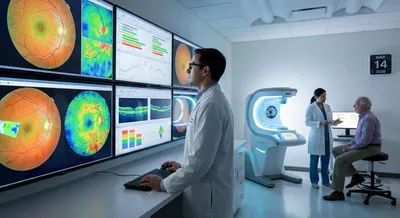
Doctors don’t judge an OCT scan in isolation. Instead, the scan machine compares your eye measurements to a built-in reference database of healthy...
Visual field loss from conditions like glaucoma can go unnoticed. Start a free trial and screen for potential blind spots in minutes.
Early detection means finding a disease or health problem at an initial stage, often before symptoms become obvious. Catching a condition early usually makes it easier to treat, and in many cases it leads to better outcomes and less aggressive therapy. For illnesses that progress over time, early detection can preserve function, slow decline, and improve quality of life. Screening tests, regular check-ups, and awareness of risk factors all help with early detection. However, early detection is not always without downsides; it can sometimes lead to overdiagnosis and treatment of conditions that would never have caused harm. False positives and false negatives are important risks to consider, because they affect the usefulness and safety of early testing. To make early detection valuable, tests need to be accurate, and follow-up plans should focus on confirming results before starting treatments. Better technology, larger databases for comparison, and expert review can improve the reliability of early detection efforts. People can support early detection by knowing their personal risk, keeping up with recommended screenings, and reporting new symptoms promptly. For public health, effective early detection can reduce the burden of disease and lower long-term healthcare costs by preventing advanced illness.