
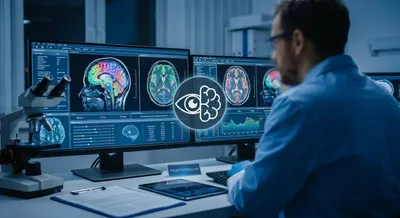
Brain Imaging Biomarkers and Plasticity in Glaucoma
Doctors and researchers use advanced MRI techniques to track these changes. One method is diffusion tensor imaging (DTI), which traces the brain’s...
Deep research and expert guides on maintaining your visual health.
Doctors and researchers use advanced MRI techniques to track these changes. One method is diffusion tensor imaging (DTI), which traces the brain’s...
Functional MRI is a type of brain scan that shows which parts of the brain are active by measuring changes in blood flow. It works because active brain cells need more oxygen, and the scan can detect tiny differences in oxygen levels in the blood. The method is noninvasive, which means it does not require surgery or radiation, so it is safe for many people. Doctors and researchers use it to see how different activities—like moving a hand or processing a visual image—light up specific brain areas. It can map networks that work together, helping us understand how information travels in the brain. That makes this scan very useful for studying learning, memory, language, and recovery after injury. Functional MRI is also used before brain surgery to locate important areas to avoid, lowering the risk of harming speech or movement. However, it does not measure brain activity directly; it infers activity from blood flow, so the timing and precision are limited compared with other methods. Results can be affected by movement, breathing, and differences between scanners, so careful testing and analysis are needed. Even with these limits, functional MRI has changed how we study the living brain and helps doctors and scientists understand normal function and disease.