
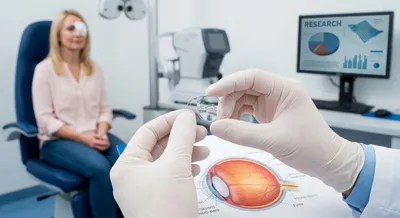
A Cataract Lens That Also Treats Glaucoma? What the New BIM-IOL Study Means for Patients
In March 2026, SpyGlass Pharma reported early results from a trial of their BIM-IOL System. This news is exciting but should be read carefully. The...
Deep research and expert guides on maintaining your visual health.
In March 2026, SpyGlass Pharma reported early results from a trial of their BIM-IOL System. This news is exciting but should be read carefully. The...
Blind spots often develop gradually without symptoms. Start a free trial and take a quick visual field test to spot changes early.
Find Out NowCataract surgery is a medical procedure to remove a cloudy lens from the eye and replace it with a clear artificial lens. A cataract happens when the natural lens, which sits behind the pupil, becomes cloudy and blurs vision. The surgery usually takes less than an hour, is done with local anesthesia, and most people go home the same day. Surgeons use a small instrument to break up and remove the cloudy lens and then insert an artificial lens called an intraocular lens. There are different types of artificial lenses, some designed to correct distance vision, near vision, or astigmatism. The main benefit is clearer vision, which can reduce glare, improve reading and driving, and make everyday activities easier. Recovery is typically quick: many people see better within a few days and continue improving over weeks. As with any surgery, there are risks such as infection, inflammation, swelling, or the need for a follow-up procedure to fine-tune vision. Some people still need glasses after surgery for reading or distance, depending on the lens chosen and other eye conditions. Because cataracts are very common as people age, the surgery is one of the most frequently performed and most successful operations worldwide. Discussing options with an eye doctor helps choose the right time for surgery and the best type of artificial lens for a person's lifestyle.