
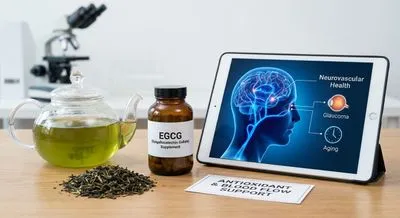
Green Tea Catechins (EGCG) for Neurovascular Health in Glaucoma and Aging
Preclinical studies consistently show EGCG helps RGC survival after injury or elevated IOP. In a mouse glaucoma model (microbead-induced high IOP),...
Deep research and expert guides on maintaining your visual health.
Preclinical studies consistently show EGCG helps RGC survival after injury or elevated IOP. In a mouse glaucoma model (microbead-induced high IOP),...
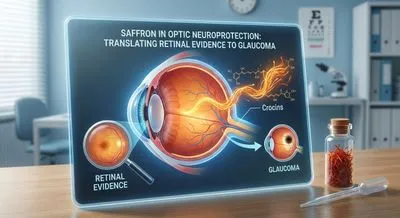
Antioxidant neuroprotection. In vitro and animal studies consistently find that crocin and crocetin guard retinal cells against oxidative stress. For...
Safety means taking steps to prevent harm and reduce risks when using a product, taking a treatment, or doing an activity. In health and medicine, safety covers side effects, harmful interactions, correct dosing, and long-term impacts on the body. Assessing safety involves laboratory research, controlled clinical studies, and ongoing real-world monitoring after something is approved for use. Safety also includes manufacturing quality and proper labeling so people know how to use a product correctly. It matters because even helpful things can cause damage if used incorrectly or in the wrong situation, so balancing benefits and risks protects people. Many groups share responsibility for safety, including researchers, regulators, doctors, manufacturers, and patients themselves. Safety is not absolute; it is managed by identifying risks, minimizing them, and responding quickly if problems appear. Clear communication, reporting of side effects, and following professional guidance all improve safety outcomes. Individual factors like age, other medications, and health conditions affect what is safe for each person, so personalized advice is often needed.