
A New Glaucoma Implant Study: Can It Protect Vision, and Can It Bring Lost Vision Back?
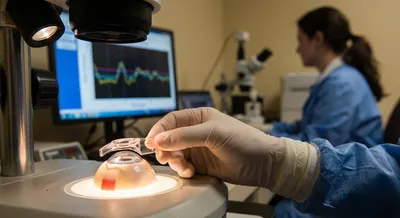
The NT-501 implant is a small capsule (about 1×6 mm) that a surgeon places inside the eye (in the gel-like vitreous near the retina) during a minor...
Deep research and expert guides on maintaining your visual health.
The NT-501 implant is a small capsule (about 1×6 mm) that a surgeon places inside the eye (in the gel-like vitreous near the retina) during a minor...
Blind spots often develop gradually without symptoms. Start a free trial and take a quick visual field test to spot changes early.
Find Out NowOcular implants are devices placed in or around the eye to treat disease, replace a damaged part, deliver medicine, or restore some level of vision. Examples include lenses put in during cataract surgery, tiny pressure-relief shunts for glaucoma, retinal prostheses that stimulate the retina, and drug-delivery implants that slowly release medication over time. Some are made from medical-grade plastics, metals, or silicon and may include electronic components or simple mechanical parts depending on their purpose. Surgery is usually required to place an implant, and doctors weigh the expected benefits against surgical risks for each patient. These implants matter because they can provide solutions that medicines alone may not offer, such as restoring light perception, improving fluid drainage to protect vision, or ensuring consistent drug delivery without frequent injections. They can reduce the burden of chronic treatment and sometimes restore function lost to disease or injury. However, they also come with concerns about infection, device failure, inflammation, or the need for replacement surgery, so long-term safety data and careful patient selection are important. As materials and electronics improve, ocular implants are becoming more capable, offering hope for better outcomes for people with serious eye conditions.