Deep research and expert guides on maintaining your visual health.
visual field test
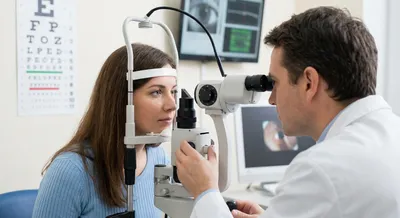
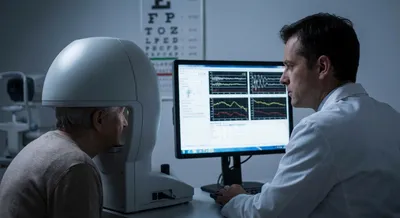
A visual field test checks how much of the area around you you can see while staring straight ahead, including both central and peripheral vision. During the test, you fix your eyes on a point and respond when you see lights or patterns in different parts of your side vision, allowing a map of any blind spots or reduced sensitivity to be made. There are simple bedside checks and more precise computerized versions that measure vision in detail, and the automated tests are commonly used in eye clinics. This test helps find problems that might not be obvious in a regular eye exam, because many conditions affect side vision first. Diseases such as glaucoma, optic nerve damage, retinal disorders, and some brain conditions can produce characteristic patterns of vision loss on the test. Results are typically shown as a visual map or printout that your eye doctor uses to track changes over time and decide on treatment. It is noninvasive and painless, but it does require attention and cooperation so results are most reliable when the person being tested is alert and follows instructions. Repeating the test periodically is important for detecting slow changes and protecting vision.