
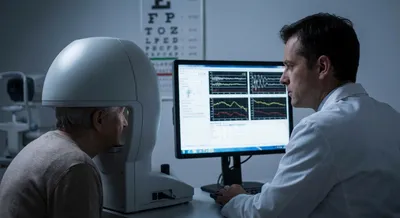
The Limitations of Visual Field Testing in Glaucoma: Frequency, Subjectivity, and What Gets Missed
Most glaucoma guidelines stress frequent monitoring, especially soon after diagnosis. For example, expert recommendations suggest newly diagnosed...
Deep research and expert guides on maintaining your visual health.
Most glaucoma guidelines stress frequent monitoring, especially soon after diagnosis. For example, expert recommendations suggest newly diagnosed...
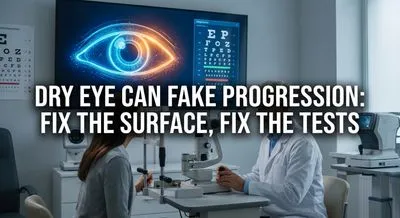
Before declaring your glaucoma is getting worse, doctors must check and optimize the ocular surface. Treating the dryness and lids first will give...
Visual field reliability refers to how trustworthy the results of a visual field test are. A visual field test maps what you can see across your whole field of vision while you look at a fixed point, and reliability tells doctors whether the patterns it shows are real or affected by errors. Common measures of reliability include how well you kept your eyes on the target, how often you responded when no light was shown, and how often you missed lights that should have been seen. Factors that reduce reliability include poor attention, fatigue, blinking or moving the eyes during the test, dry eyes, and misunderstanding the instructions. Reliable test results are important because doctors use them to diagnose conditions like glaucoma, track disease progression, and make treatment decisions. An unreliable test can look worse or better than reality, leading to unnecessary treatment or missed problems. When a test is unreliable, clinicians usually repeat it, compare it to other exams and scans, or take steps to improve testing conditions, such as resting the patient or treating ocular surface problems. Patients can help by resting well, following instructions, asking questions if unsure, and reporting symptoms like dryness or discomfort before testing. Understanding visual field reliability helps patients and clinicians trust the results and avoid mistakes when deciding how to protect vision.