

GLP-1 Peptides and Glaucoma Risk: What We Know and What to Watch
A nationwide Danish registry study also found that GLP-1 agonist use was linked to a lower glaucoma risk. Compared to diabetic patients on other...
Deep research and expert guides on maintaining your visual health.
A nationwide Danish registry study also found that GLP-1 agonist use was linked to a lower glaucoma risk. Compared to diabetic patients on other...
Beyond pressure-related injury, H₂ has shown benefit in other eye models. In diabetic-like rodents, oral H₂ water improved abnormal retinal blood...
Blind spots often develop gradually without symptoms. Start a free trial and take a quick visual field test to spot changes early.
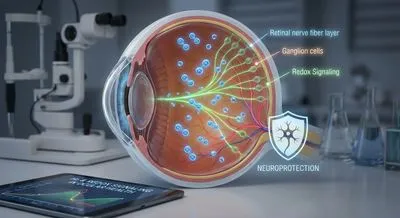
Find Out NowOcular neuroprotection refers to methods and treatments designed to keep the nerve cells of the eye healthy and prevent them from dying. These nerve cells include retinal neurons and the fibers of the optic nerve, which carry visual information from the eye to the brain. Damage to these cells from pressure, poor blood flow, inflammation, or metabolic problems leads to vision loss in conditions like glaucoma, diabetic eye disease, and some inherited disorders. Neuroprotective approaches can include medications, biologic factors, lifestyle changes, or devices that reduce stress on cells, improve blood supply, block harmful signals, or boost repair mechanisms. The aim is to preserve the structure and function of neurons so vision is maintained rather than simply treating symptoms after loss has occurred. Strategies may target oxidative damage, inflammation, nutrient supply, or the cells’ own survival pathways. Scientists test many ideas in the lab and in trials because preventing cell loss offers the best hope of long-term vision preservation. For patients, effective neuroprotection could mean slower progression, fewer interventions, and better quality of life, so this area is an active focus of research and clinical interest.