
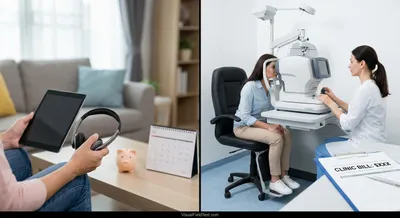
Economics of high-frequency home monitoring versus clinic-based perimetry
Clinic perimetry is very reliable but requires specialized equipment (like a Humphrey Field Analyzer) and trained staff. It can be costly and...
Deep research and expert guides on maintaining your visual health.
Clinic perimetry is very reliable but requires specialized equipment (like a Humphrey Field Analyzer) and trained staff. It can be costly and...

Home readings can also serve as early safety signals. Protocols typically pre-specify pressure thresholds or warning rules. For instance, the...
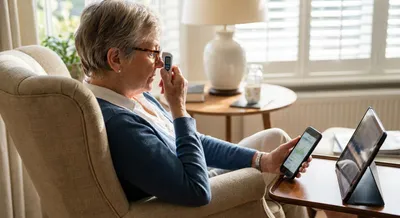
The main type of home tonometer approved for patients is the rebound tonometer. Instead of the clinic “puff” or a weighted cuff, a rebound tonometer...
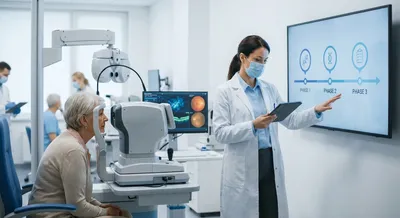
New Eye Drops and Supplements: Beyond GLP-1 drugs, other novel compounds are under study. For example, Ocular Neuroenhancement: Early trials of...
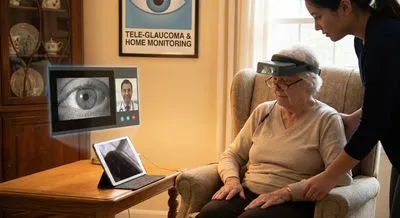
Intraocular pressure (IOP) is the most important modifiable risk factor in glaucoma. Remote IOP monitoring lets patients record pressures at home...
Track peripheral vision changes between eye doctor visits. Start your free trial and get results in under 5 minutes.
Telemedicine is the practice of delivering medical care and health services remotely using technology like video calls, phone, and secure messaging. It allows patients to talk with doctors, get advice, review symptoms, and sometimes receive diagnoses without being in the same room. Clinicians can also use devices that send measurements and images from a patient's home to help assess health. This approach makes it easier for people who live far from clinics, have mobility issues, or need quick access to care. Telemedicine can cover routine checkups, urgent care, mental health counseling, and follow-up visits. It is not a replacement for all in-person care, but a way to complement clinic visits and reduce unnecessary travel. Telemedicine matters because it improves access, saves time, and can lower costs for patients and healthcare systems. It also helps keep patients connected to their care teams between visits, which can improve long-term health management. There are challenges like ensuring digital privacy, maintaining clinical quality, and making sure everyone has the technology and skills to use it. Regulations and insurance coverage also affect how widely telemedicine is available. When used thoughtfully, it can make healthcare more convenient and more responsive to people's daily lives.