

Ketogenic Signals and Beta-Hydroxybutyrate: IOP, Neuroprotection, and Longevity Intersections
The retina, especially RGCs, is a highly active tissue that needs a lot of energy to work. This energy comes from tiny structures in cells called...
Deep research and expert guides on maintaining your visual health.
The retina, especially RGCs, is a highly active tissue that needs a lot of energy to work. This energy comes from tiny structures in cells called...
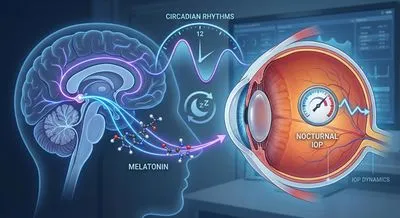
Melatonin is not only made by the pineal gland but also produced in the eye itself. Photoreceptors in the retina generate melatonin at night, and the...
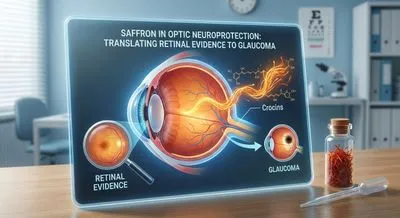
Antioxidant neuroprotection. In vitro and animal studies consistently find that crocin and crocetin guard retinal cells against oxidative stress. For...
Track peripheral vision changes between eye doctor visits. Start your free trial and get results in under 5 minutes.
Retinal neuroprotection means taking steps to protect the light‑sensing nerve cells at the back of the eye from damage or death. The retina contains specialized neurons that convert light into signals the brain can interpret, and damage to these cells causes vision loss. Protective strategies include medicines, nutritional compounds, controlling eye pressure, managing blood sugar, and reducing harmful inflammation or oxidative stress. Some approaches support the local environment of the retina so cells receive enough oxygen and nutrients to survive. This matters because many common eye diseases, such as glaucoma, diabetic eye disease, and age‑related degeneration, reduce sight by injuring or killing retinal neurons. Preventing damage early can slow or stop vision loss and help people maintain independence and quality of life. Research aims to find treatments that preserve cell function and are safe and able to reach the retina, because these cells have limited ability to regrow. For everyday care, retinal protection highlights the importance of regular eye exams, managing chronic conditions, and lifestyle choices that support long‑term eye health.