
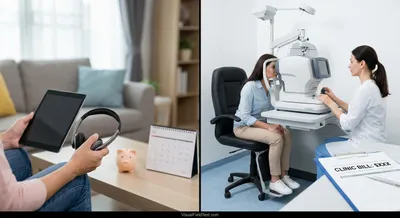
Economics of high-frequency home monitoring versus clinic-based perimetry
Clinic perimetry is very reliable but requires specialized equipment (like a Humphrey Field Analyzer) and trained staff. It can be costly and...
Deep research and expert guides on maintaining your visual health.
Clinic perimetry is very reliable but requires specialized equipment (like a Humphrey Field Analyzer) and trained staff. It can be costly and...
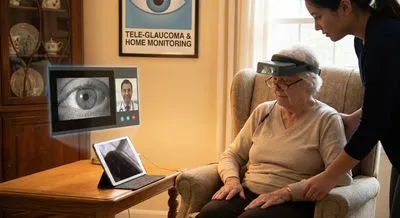
Intraocular pressure (IOP) is the most important modifiable risk factor in glaucoma. Remote IOP monitoring lets patients record pressures at home...
Our visual field test is inspired by the perimetry methods eye care professionals use. Check for blind spots and track changes over time.
Test Your VisionCost-effectiveness compares the costs and benefits of different health actions to figure out which ones give the most value for the resources spent. It is not just about choosing the cheapest option, but about finding treatments or programs that produce the best health results for the money available. Analysts look at both the monetary costs (like hospital bills, staff time, equipment) and the benefits (such as improved survival, better quality of life, or fewer sick days). This approach helps decision-makers weigh trade-offs when resources are limited and choices must be made about what to fund. Cost-effectiveness matters because it guides schools, clinics, insurers, and governments in prioritizing interventions that deliver the greatest overall benefit. Using these comparisons can stretch limited budgets farther and help more people receive effective care. It also supports transparent decisions about which services should be covered and how to design health programs that are sustainable. While cost-effectiveness is a powerful tool, it is often used alongside considerations of fairness, feasibility, and patient preferences. Ultimately, it helps balance health goals with the realities of finite resources so communities can get the best achievable outcomes.