
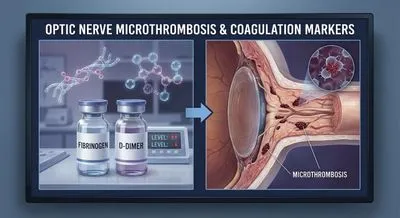
Coagulation markers (fibrinogen and D-dimer) and optic nerve microthrombosis
As a result, researchers have suggested measuring clotting markers like fibrinogen and D-dimer to see if they predict optic nerve problems. This...
Deep research and expert guides on maintaining your visual health.
As a result, researchers have suggested measuring clotting markers like fibrinogen and D-dimer to see if they predict optic nerve problems. This...
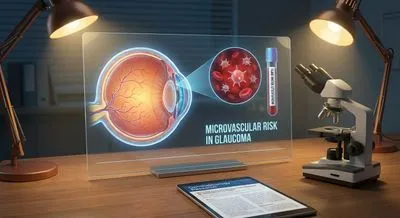
Platelets are small, disk-shaped cells in your blood that stop bleeding by clumping together to form clots. When your blood vessels or endothelium...
Optic nerve ischemia happens when the blood supply to the optic nerve is reduced or blocked, causing damage to the nerve fibers that carry visual information from the eye to the brain. This damage can lead to sudden or progressive vision loss in one eye, often noticed as dimming, blurring, or loss of part of the visual field. There are different causes, including problems with small blood vessels, blood clots, very low blood pressure, or inflammation of the arteries that supply the nerve. People at higher risk include older adults and those with conditions that affect circulation, such as high blood pressure, diabetes, and certain inflammatory disorders. Because the optic nerve cannot regenerate easily, ischemic injury can cause lasting vision loss if not recognized and managed promptly. Some forms require urgent treatment — for example, inflammation of large arteries needs immediate therapy to prevent further damage. Managing underlying health problems, improving blood flow, and sometimes medications can reduce the chance of additional injury. Regular eye checks and controlling risk factors like blood pressure and blood sugar are important steps to lower the chance of ischemia. Knowing the warning signs and seeking quick medical attention improves the odds of preserving remaining vision.