
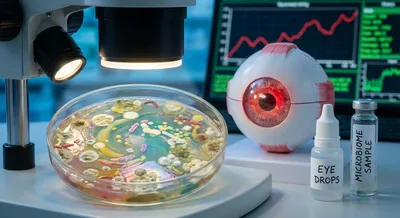
The Ocular Microbiome, Inflammaging, and Surface Health
Recent studies confirm that the mix of microbes on the eye changes with age. Using DNA sequencing, scientists showed that “young” and “old” adult...
Deep research and expert guides on maintaining your visual health.
Recent studies confirm that the mix of microbes on the eye changes with age. Using DNA sequencing, scientists showed that “young” and “old” adult...
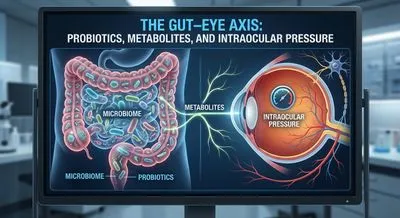
SCFAs are fatty acids with fewer than six carbon atoms, mainly acetate, propionate, and butyrate, produced by gut bacteria digesting fiber. They...
Screen your peripheral vision from home — no downloads, no waiting rooms. Sign up for a free trial and test in under 5 minutes.
The ocular microbiome is the community of tiny organisms that live on the surface of the eye and in nearby tissues. These organisms include bacteria, fungi, and viruses that coexist with eye cells and the local immune system. Most of these microbes are harmless and can even help protect the eye by preventing harmful germs from taking hold. When the balance of these microbes shifts, it can contribute to conditions like dry eye, irritation, or infection. Factors such as contact lens use, environmental exposures, antibiotics, and immune changes can alter the composition of this community. Studying the ocular microbiome is important because it offers clues about why some people are more prone to eye inflammation or infections. It may also help doctors predict how a patient will respond to treatments and guide safer practices around surgery or lens hygiene. Researchers are exploring ways to support a healthy ocular microbiome, including targeted therapies and improved cleaning routines. Overall, recognizing the eye as an ecosystem of living organisms changes how we think about prevention, diagnosis, and care for eye health.