
Sleep Posture Hacks: Head Elevation and Side-Sleeping Effects on Eye Pressure
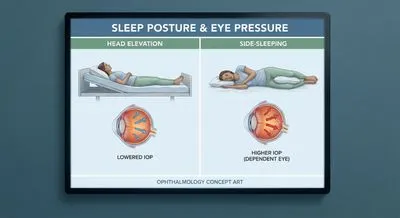
When you lie on your side, gravity and blood flow tend to increase pressure in the dependent eye – the one on the pillow side. In other words, your...
Deep research and expert guides on maintaining your visual health.
When you lie on your side, gravity and blood flow tend to increase pressure in the dependent eye – the one on the pillow side. In other words, your...
Track peripheral vision changes between eye doctor visits. Start your free trial and get results in under 5 minutes.
Head elevation means raising the head and upper body slightly while you sleep, often by using extra pillows, a wedge pillow, or an adjustable bed. The goal is to create a gentle incline rather than sitting upright, so your head and chest are higher than your hips. This position can help keep airways more open and reduce symptoms like nasal congestion and snoring. It may also help limit stomach acid from coming up into the throat, easing heartburn and reflux overnight. Head elevation can matter for people with sleep-disordered breathing, reflux, or chronic nasal problems because it makes breathing and digestion more comfortable. It can also reduce pressure on the eyes and head in some conditions, though the ideal angle varies by person. Too much elevation can strain the neck, so finding a comfortable, supportive height is important. Wedge pillows or adjustable beds let you test different angles, and pillows alone can be unstable. If you have specific health concerns, check with a healthcare provider to find a safe and effective elevation level.