
Could Better Scan Databases Help Catch Glaucoma Earlier? What a New March 2026 Study Found
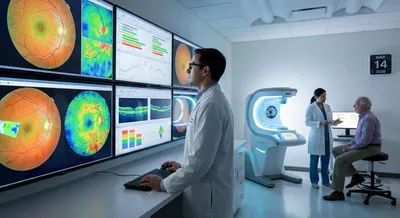
Doctors don’t judge an OCT scan in isolation. Instead, the scan machine compares your eye measurements to a built-in reference database of healthy...
Deep research and expert guides on maintaining your visual health.
Doctors don’t judge an OCT scan in isolation. Instead, the scan machine compares your eye measurements to a built-in reference database of healthy...
Our visual field test is inspired by the perimetry methods eye care professionals use. Check for blind spots and track changes over time.
Test Your VisionA false positive happens when a test or scan says something is wrong but there really isn't. It is a result that suggests a disease or condition is present even though the person is healthy. For example, an imaging scan might highlight an area as abnormal when it is actually normal variation. False positives matter because they can cause anxiety, unnecessary follow-up tests, and even unneeded treatments. Those extra procedures can be costly, carry risks, and take time away from care that is truly needed. In screening programs, a high rate of false positives can overwhelm clinics and reduce public trust in the testing process. Reducing false positives often involves improving the accuracy of tests, using confirmatory tests, or having expert reviewers check results. Better data, clearer guidelines, and training can help clinicians distinguish harmless findings from real problems. While it is important to catch real disease, balancing sensitivity and specificity helps avoid causing harm through unnecessary alarm. Understanding false positives lets people make smarter decisions about screening and follow-up care.