
Nocturnal hypotension, sleep apnea, and ocular perfusion: continuous monitoring studies
Importantly, body position and sleep also matter. Normally, when you lie down, intraocular pressure (IOP) tends to rise (by 10–20%) because eye fluid...
Deep research and expert guides on maintaining your visual health.
Importantly, body position and sleep also matter. Normally, when you lie down, intraocular pressure (IOP) tends to rise (by 10–20%) because eye fluid...
Blind spots often develop gradually without symptoms. Start a free trial and take a quick visual field test to spot changes early.
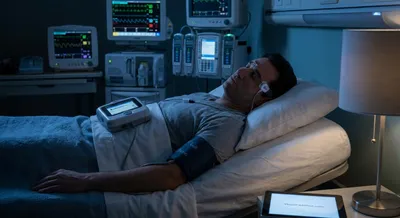
Find Out NowAmbulatory monitoring refers to the process of tracking physiological measurements with wearable equipment while you carry on with daily life, instead of relying on single readings taken in a clinic. Common uses include checking blood pressure over a full day, recording heart rhythms, or monitoring oxygen levels during sleep, and modern devices can send data to clinicians remotely. Because it collects many measurements across different situations—exercise, work, rest, and sleep—this approach reveals patterns like consistently high readings at home, sudden spikes with activity, or drops during the night. Those patterns are important because they affect diagnosis and treatment: some people have normal results in a clinic but abnormal results at home, and vice versa. Wearing a monitor is usually simple and noninvasive, and the automated readings reduce human error and one-off anomalies. The richer dataset helps doctors tailor medications, decide whether more testing is needed, and assess the true risk to organs like the heart or eyes. It can also help evaluate whether lifestyle changes or a medication are working over time. For the person being monitored, it means more accurate care and fewer surprises from undetected problems.