
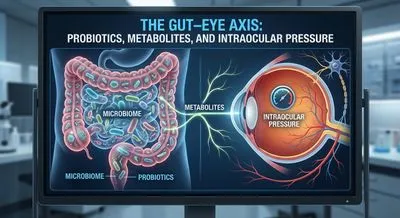
The Gut–Eye Axis: Probiotics, Metabolites, and Intraocular Pressure
SCFAs are fatty acids with fewer than six carbon atoms, mainly acetate, propionate, and butyrate, produced by gut bacteria digesting fiber. They...
Deep research and expert guides on maintaining your visual health.
SCFAs are fatty acids with fewer than six carbon atoms, mainly acetate, propionate, and butyrate, produced by gut bacteria digesting fiber. They...
Our visual field test is inspired by the perimetry methods eye care professionals use. Check for blind spots and track changes over time.
Test Your VisionAging immunosenescence refers to the gradual weakening and remodeling of the immune system that happens as people grow older. It involves fewer new immune cells being produced, a shrinking of the thymus that reduces the supply of fresh T cells, and a drop in the variety of immune cells available to fight new infections. Older immune systems often carry more long-lived memory and senescent immune cells that respond less effectively to threats. B cells also change with age and tend to produce lower-quality antibodies, so both natural infections and vaccines can trigger weaker defenses. This process matters because it makes older adults more vulnerable to infections, slows recovery, and reduces vaccine effectiveness. Chronic low-level inflammation that often accompanies aging can damage tissues and contribute to a range of age-related conditions. Understanding immunosenescence helps public health planners design better vaccination strategies and care plans for older people. Researchers and clinicians are also exploring lifestyle measures like exercise, improved nutrition and sleep, and medical approaches that aim to restore healthier immune function in older adults.