
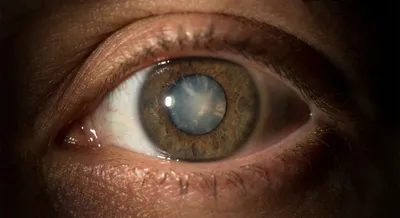
What Does Glaucoma Look Like
Early stage. In early glaucoma, most vision—especially central vision—is normal, so patients usually feel fine. The earliest signs are subtle blind...
Deep research and expert guides on maintaining your visual health.
Early stage. In early glaucoma, most vision—especially central vision—is normal, so patients usually feel fine. The earliest signs are subtle blind...

In contrast, the evidence in glaucoma is sparse and mixed. No large clinical trial has proven that taking antioxidant pills improves glaucoma...
Blind spots often develop gradually without symptoms. Start a free trial and take a quick visual field test to spot changes early.
Find Out NowMacular degeneration is an eye disease that gradually damages the macula, the small central part of the retina that lets you see fine detail and recognize faces. When the macula is harmed, central vision becomes blurry or develops dark spots while peripheral vision usually stays intact. There are two main forms: a more common, slow-progressing type caused by thinning and buildup of waste deposits, and a less common type in which abnormal blood vessels grow and leak, causing faster and more severe vision loss. Early stages often cause mild or no symptoms, which is why regular eye examinations are important for people over age 50. This condition matters because it is a leading cause of vision loss in older adults and can make everyday tasks like reading, driving, and recognizing people much harder. Risk increases with age and is higher for smokers, people with a family history, and those with high blood pressure or poor diet. Doctors diagnose it using eye exams and imaging tests that let them see the macula and any deposits or abnormal blood vessels. While there is no certain cure, treatments can slow progression and preserve vision: specific nutritional supplements can help some people, and injectable medicines that stop abnormal vessel growth are effective for the leaking form. Simple lifestyle steps—quitting smoking, eating leafy greens and fish, exercising, and protecting eyes from strong sunlight—can lower risk or slow decline, and early detection with regular monitoring gives the best chance of keeping useful vision.