
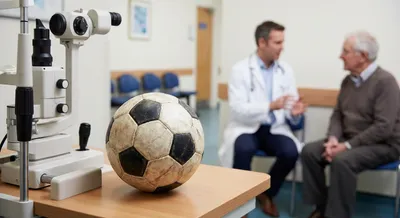
Soccer and Glaucoma: Endurance Gains Amid Collision Risks
Playing soccer provides excellent cardiorespiratory exercise. The running, jogging, and game movement substantially raise heart rate and build...
Deep research and expert guides on maintaining your visual health.
Playing soccer provides excellent cardiorespiratory exercise. The running, jogging, and game movement substantially raise heart rate and build...
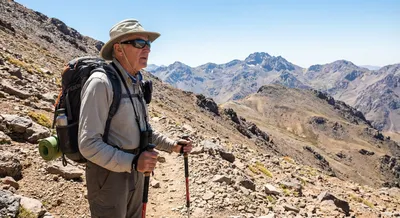
However, hiking also brings challenges: long treks can lead to dehydration, strong sunlight, and difficult footing. Importantly for glaucoma...
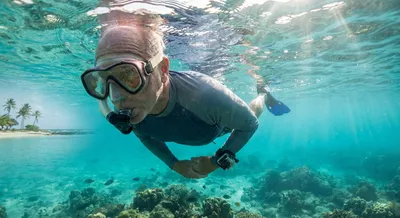
Importantly, snorkeling is mostly done at the surface where the water pressure is nearly the same as on land, so you avoid the pressure changes of...
Screen your peripheral vision from home — no downloads, no waiting rooms. Sign up for a free trial and test in under 5 minutes.
UV protection refers to measures you take to reduce exposure to ultraviolet rays from the sun, which can damage skin and eyes even on cloudy days. Simple actions like applying a broad-spectrum sunscreen with an appropriate SPF, reapplying it regularly, and covering exposed skin with clothing are effective ways to lower risk. Wearing sunglasses that block 100% of UVA and UVB rays protects the eyes and the delicate skin around them from long-term harm. Wide-brimmed hats and seeking shade during peak sunlight hours also cut overall exposure. Surfaces like water, snow, and sand reflect sunlight and can increase UV intensity, so extra protection is needed near those surfaces. UV protection matters because cumulative exposure raises the chance of sunburn, premature skin aging, and skin cancers, and can contribute to eye problems such as cataracts. Children and people with light skin tend to be more vulnerable, so extra care is wise. Choosing protective gear and building simple habits helps you enjoy outdoor activities while reducing long-term health risks.