
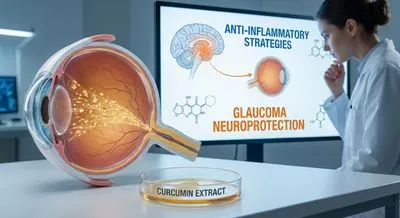
Curcumin and Curcuminoids: Anti-inflammatory Strategies for Glaucoma Neuroprotection
In the eye, microglia (resident immune cells) amplify inflammation when activated. Curcumin dampens microglial over-activation and cytokine release....
Deep research and expert guides on maintaining your visual health.
In the eye, microglia (resident immune cells) amplify inflammation when activated. Curcumin dampens microglial over-activation and cytokine release....
NF-kappaB is a group of proteins in cells that work together as a control switch for turning on many genes, especially those involved in inflammation and immune responses. When cells detect stress, infection, or damage, NF-kappaB becomes active and moves into the cell nucleus to help switch on genes that produce signaling molecules, survival factors, and other proteins needed to respond. This system helps the body fight infections and heal, but it needs to be carefully regulated. NF-kappaB matters because when it stays active for too long, it can drive chronic inflammation, contribute to tissue damage, and play a role in diseases such as arthritis, heart disease, and certain cancers. Because of its central role, NF-kappaB is a major focus for researchers looking to develop drugs that can calm harmful inflammation without shutting down useful immune defenses. Understanding how NF-kappaB works helps scientists design better treatments and explains why controlling inflammation is important for long-term health.