
A New Glaucoma Implant Study: Can It Protect Vision, and Can It Bring Lost Vision Back?
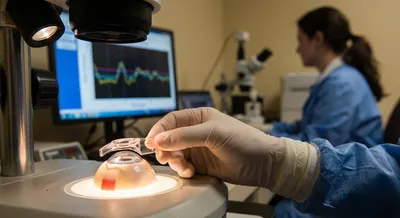
The NT-501 implant is a small capsule (about 1×6 mm) that a surgeon places inside the eye (in the gel-like vitreous near the retina) during a minor...
Deep research and expert guides on maintaining your visual health.
The NT-501 implant is a small capsule (about 1×6 mm) that a surgeon places inside the eye (in the gel-like vitreous near the retina) during a minor...
Blind spots often develop gradually without symptoms. Start a free trial and take a quick visual field test to spot changes early.
Find Out NowNeuroenhancement is the idea of improving how the brain or nervous system works, either to restore lost abilities or to make things work better than they did before. It can include medicines, electrical stimulation, implants, brain-training exercises, or other technologies that change nerve activity to improve memory, attention, movement, or sensory function. Some uses are medical, such as restoring hearing, vision or motor control after injury or disease; other uses are aimed at boosting normal abilities, like sharpening concentration or memory. Methods vary from noninvasive techniques that sit outside the body to surgical implants that interact directly with nerves or brain tissue. People care about neuroenhancement because it promises to reduce disability and improve quality of life for many conditions, from stroke and Parkinson’s disease to sensory loss. At the same time, the field raises important questions about safety, long-term effects, fairness and who should have access. There are also ethical discussions about whether using these tools to boost normal abilities is acceptable and how to regulate them. Because the nervous system is delicate, any approach requires careful testing, clear benefits and close monitoring to be used responsibly.