
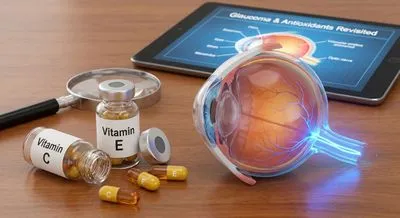
Vitamins C and E in Glaucoma: Antioxidants Revisited
This review will summarize the evidence—both old and new—on vitamins C and E in glaucoma. We will look at laboratory and animal studies, population...
Deep research and expert guides on maintaining your visual health.
This review will summarize the evidence—both old and new—on vitamins C and E in glaucoma. We will look at laboratory and animal studies, population...
Visual field loss from conditions like glaucoma can go unnoticed. Start a free trial and screen for potential blind spots in minutes.
Kidney stones are hard, crystalline mineral deposits that form inside the kidneys and can cause sudden, severe pain when they move into the urinary tract. They vary in size from tiny grains to stones large enough to block urine flow and require medical treatment. The most common type is made of calcium combined with oxalate or phosphate, but other types include uric acid, struvite, and cystine stones. Stones form when urine becomes concentrated or when certain minerals and salts are out of balance, which lets crystals stick together. Risk factors include not drinking enough fluids, diets high in salt or animal protein, certain medical conditions, and some inherited tendencies. Symptoms often include intense flank pain, blood in the urine, nausea, and frequent urination, and sometimes stones are found incidentally without symptoms. Diagnosis usually involves imaging tests like CT scans or ultrasound and urine and blood tests to identify the stone type and underlying causes. Small stones can often pass on their own with pain control and extra fluids, but larger or obstructing stones may need procedures such as lithotripsy, ureteroscopy, or surgery. Preventing recurrence focuses on lifestyle changes: drinking more water, adjusting dietary salt and protein, managing body weight, and following specific advice if you form a certain stone type. Some nutrients and supplements can influence stone risk — for example, adequate dietary calcium generally helps reduce stone formation, while excessive intake of certain substances can raise risk — so individualized guidance is helpful. Understanding kidney stones matters because they are common, painful, and often preventable, and knowing how to reduce risk can save you repeated episodes and medical procedures.