
A Cataract Lens That Also Treats Glaucoma? What the New BIM-IOL Study Means for Patients
In March 2026, SpyGlass Pharma reported early results from a trial of their BIM-IOL System. This news is exciting but should be read carefully. The...
Deep research and expert guides on maintaining your visual health.
In March 2026, SpyGlass Pharma reported early results from a trial of their BIM-IOL System. This news is exciting but should be read carefully. The...
Screen your peripheral vision from home — no downloads, no waiting rooms. Sign up for a free trial and test in under 5 minutes.
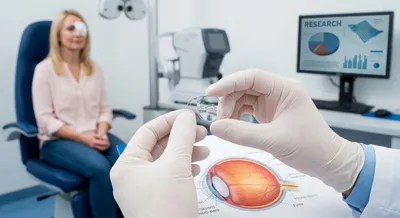
An intraocular lens is an artificial lens that a surgeon implants inside the eye to replace the eye’s natural lens, most often after the natural lens has become cloudy. These lenses are made from safe medical plastics or silicone and are shaped to focus light properly onto the retina so you can see clearly. There are several designs: single-focus lenses set for one distance, multifocal lenses that provide vision at different distances, and toric lenses that correct astigmatism. The choice depends on your vision needs, daily activities, and your surgeon’s recommendation. Once implanted, the lens is intended to be permanent and usually does not require ongoing maintenance, though some patients may need small follow-up procedures. Benefits include improved vision, often less dependence on glasses, and a relatively quick recovery compared with older techniques. As with any surgery, there are risks like infection, inflammation, or changes in vision that should be reviewed before the operation. Understanding the lens options helps you make an informed decision about vision after surgery.