

Laufen und Joggen bei Glaukom: Herz-Kreislauf-Vorteile und IOD-Schwankungen in Einklang bringen
Nachdem Sie mit dem Laufen aufgehört haben, bleibt Ihr Blutdruck normalerweise für einige Minuten erhöht (besonders wenn das Tempo hoch war) und...
Tiefgehende Forschung und Expertenratgeber zur Erhaltung Ihrer Sehgesundheit.
Nachdem Sie mit dem Laufen aufgehört haben, bleibt Ihr Blutdruck normalerweise für einige Minuten erhöht (besonders wenn das Tempo hoch war) und...
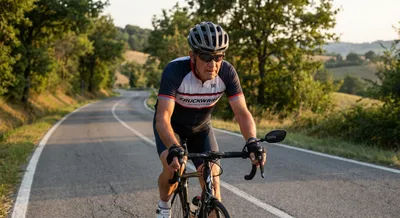
Darüber hinaus hilft regelmäßige Bewegung dem autonomen Nervensystem des Körpers (das Dinge wie Herzfrequenz und Blutgefäßtonus steuert), im...
Unser Gesichtsfeldtest ist von den Perimetrie-Methoden inspiriert, die Augenärzte anwenden. Überprüfen Sie auf blinde Flecken und verfolgen Sie Veränderungen im Laufe der Zeit.
Sehvermögen testenHydration bezeichnet die ausreichende Versorgung des Körpers mit Wasser und Elektrolyten, die für viele Funktionen unerlässlich ist. Wasser trägt zum Transport von Nährstoffen und Sauerstoff, zur Temperaturregulation und zur Schmierung von Gelenken bei. Besonders bei Bewegung oder Hitze steigt der Bedarf, weil der Körper über Schwitzen Wärme abgibt und so Flüssigkeit verliert. Schon ein leichter Flüssigkeitsverlust kann Leistung, Konzentration und Reaktionsgeschwindigkeit beeinträchtigen und das Risiko für Krämpfe oder Hitzeschäden erhöhen. Anzeichen von Dehydration sind Durst, dunkler Urin, trockener Mund, Müdigkeit und Schwindel; diese sollten ernst genommen werden. Vor, während und nach körperlicher Aktivität regelmäßig kleine Mengen trinken ist oft hilfreicher als selten große Mengen auf einmal. Bei langen oder intensiven Belastungen sowie bei starkem Schwitzen sind auch Getränke mit Elektrolyten sinnvoll, um das Gleichgewicht wiederherzustellen. Gleichzeitig kann zu viel Flüssigkeit ohne entsprechende Elektrolytzufuhr zu einer Verdünnung des Blutes führen, deshalb ist die Balance wichtig. Menschen mit bestimmten Erkrankungen oder Medikamenten sollten ihre Trinkmenge mit einer medizinischen Fachperson abklären. Gute Hydration unterstützt Leistung, Wohlbefinden und die Erholung des Körpers nach Belastung.