
Can You Have Glaucoma in One Eye
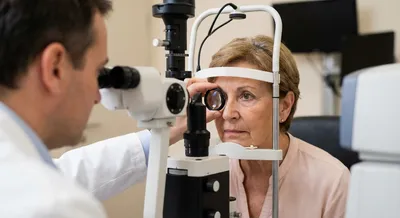
In this article we will explore unilateral and asymmetric glaucoma in depth. We begin with why one eye can be affected more than the other, then...
Deep research and expert guides on maintaining your visual health.
In this article we will explore unilateral and asymmetric glaucoma in depth. We begin with why one eye can be affected more than the other, then...
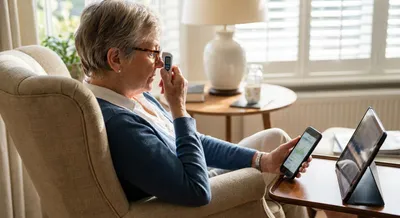
The main type of home tonometer approved for patients is the rebound tonometer. Instead of the clinic “puff” or a weighted cuff, a rebound tonometer...
Blind spots often develop gradually without symptoms. Start a free trial and take a quick visual field test to spot changes early.
Find Out NowGlaucoma management is the ongoing care used to slow or stop damage to the optic nerve and preserve vision in people with glaucoma. It begins with diagnosing the condition through exams that measure pressure inside the eye, look at the optic nerve, and test peripheral vision. After diagnosis, management commonly includes eye drops, laser treatments, or surgery to lower eye pressure, plus regular monitoring to watch for change. The plan is tailored to each person’s disease severity, risk factors, lifestyle, and other health conditions. Good management also involves educating the person about taking medications correctly, recognizing symptoms, and attending scheduled follow-ups. Because glaucoma usually progresses slowly and can be symptomless until later stages, consistent care is essential to prevent irreversible vision loss. Newer approaches include imaging scans and home-based measurements that can help catch changes earlier. The overall goal is to maintain useful vision and quality of life while minimizing side effects and treatment burden. Family support and clear communication with eye care providers are important parts of long-term success.