
Could Better Scan Databases Help Catch Glaucoma Earlier? What a New March 2026 Study Found
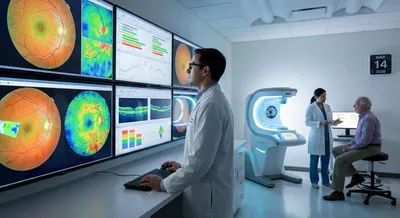
Doctors don’t judge an OCT scan in isolation. Instead, the scan machine compares your eye measurements to a built-in reference database of healthy...
Deep research and expert guides on maintaining your visual health.
Doctors don’t judge an OCT scan in isolation. Instead, the scan machine compares your eye measurements to a built-in reference database of healthy...
Our visual field test is inspired by the perimetry methods eye care professionals use. Check for blind spots and track changes over time.
Test Your VisionA false negative happens when a test or scan fails to detect a disease that is actually present. This kind of result gives a person and their doctor the mistaken impression that everything is fine. For example, an image might miss a subtle sign of disease or a lab test might not pick up low levels of a problem. False negatives are dangerous because they can delay diagnosis and treatment, allowing a condition to worsen. Delayed care can mean missed opportunities to slow progression, preserve function, or prevent complications. They also erode trust in testing and screening programs, since people who are falsely reassured may not seek further evaluation. Reducing false negatives usually requires more sensitive tests, repeat testing, or combining different kinds of exams. Improving training, better equipment, and larger databases of reference images or data can make detection more reliable. Being aware of false negatives encourages doctors to consider a patient's symptoms and risk factors, not just a single test result. That cautious approach helps ensure problems are caught as early as possible, improving the chances of effective treatment.