
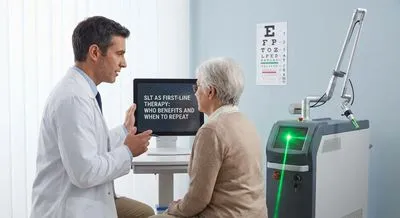
SLT as First-Line Therapy: Who Benefits and When to Repeat
The pivotal LiGHT trial (Lancet 2019) compared first-line SLT to eye drops in newly diagnosed glaucoma/ocular hypertension patients () (). Over 3...
Deep research and expert guides on maintaining your visual health.
The pivotal LiGHT trial (Lancet 2019) compared first-line SLT to eye drops in newly diagnosed glaucoma/ocular hypertension patients () (). Over 3...
Blind spots often develop gradually without symptoms. Start a free trial and take a quick visual field test to spot changes early.
Find Out NowCost-effective glaucoma care means organizing tests and treatments so that people keep the most vision possible for the resources used, balancing costs, benefits, and access. It emphasizes early diagnosis, appropriate use of medicines, targeted procedures, and follow-up strategies that prevent blindness while avoiding unnecessary tests or overtreatment. Examples include using proven, less expensive medicines when suitable, choosing procedures that reduce long-term medication needs, and prioritizing interventions that give the biggest benefit for the investment. Cost-effectiveness also considers patient factors like ability to adhere to daily medications, travel and clinic access, and overall health, because a technically excellent treatment that a person cannot use provides little value. Health systems measure this idea with metrics like cost per quality-adjusted life year or the cost of preventing vision loss, and they use those data to guide policy and coverage decisions. Importantly, being cost-effective does not mean choosing the cheapest option; it means selecting care that gives the best outcomes for the resources available. Implementing cost-effective strategies can reduce long-term costs to patients and systems by preventing disability, lowering the need for intensive care later, and keeping people independent. Equity is also part of the concept, since fair access to effective care ensures broader public health benefit.