

If One Person in the Family Has Glaucoma, Should Everyone Else Get Checked?
In practical terms, this means that if you learn a family member has glaucoma, doctors advise that other first-degree relatives – especially siblings...
Deep research and expert guides on maintaining your visual health.
In practical terms, this means that if you learn a family member has glaucoma, doctors advise that other first-degree relatives – especially siblings...
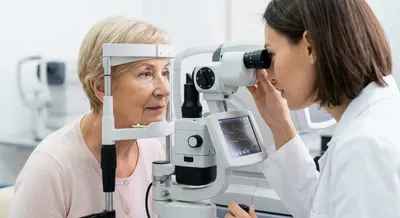
Below we break down each common glaucoma-related test, roughly how long it takes, and why it matters. We then explain how these pieces add up to...
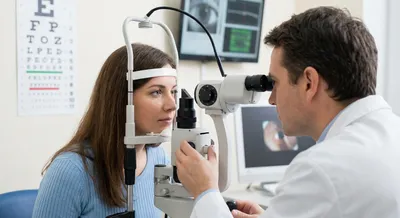
Goldmann Applanation Tonometry (GAT) is the gold standard for IOP measurement. () In this test, a tiny probe gently flattens (“applanates”) the...
Our visual field test is inspired by the perimetry methods eye care professionals use. Check for blind spots and track changes over time.
Test Your VisionGlaucoma screening is the process of checking people who do not have symptoms to find early signs of glaucoma. The goal is to discover the disease before noticeable vision loss happens, because early treatment can preserve sight. Screening can involve simple pressure checks, quick visual field tests, or imaging, and it is often done in eye clinics, community health events, or during routine eye exams. Not everyone needs the same screening schedule; people with risk factors like older age, family history, high eye pressure, or certain ethnic backgrounds may be advised to have checks more often. Screening matters because many forms of glaucoma cause no pain or early symptoms, so people can lose sight without realizing anything is wrong. However, screening also has limits: tests can sometimes give false alarms or miss early disease, and not all health systems screen everyone because of cost and resource issues. Decisions about who to screen and how often usually balance the benefits of catching disease early against the costs and potential anxiety from follow-up testing. If a screening result is abnormal, more detailed testing and specialist evaluation are needed to confirm a diagnosis and start treatment. Keeping records of test results over time helps doctors track changes and decide whether treatment is working or should be changed. Talk with an eye care professional about your personal risk and the right screening plan for you to help protect your vision.