
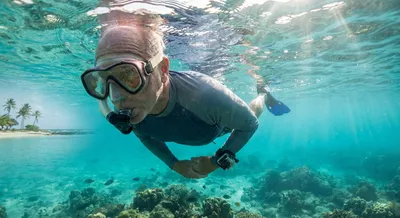
Snorkeling and Glaucoma: Gentle Aquatic Activity with Mask and Sunlight Considerations
Importantly, snorkeling is mostly done at the surface where the water pressure is nearly the same as on land, so you avoid the pressure changes of...
Deep research and expert guides on maintaining your visual health.
Importantly, snorkeling is mostly done at the surface where the water pressure is nearly the same as on land, so you avoid the pressure changes of...
Blind spots often develop gradually without symptoms. Start a free trial and take a quick visual field test to spot changes early.
Find Out NowWater sports are recreational or competitive activities done in or on bodies of water like pools, lakes, rivers, and the ocean. They include swimming, kayaking, paddleboarding, surfing, water-skiing, sailing, snorkeling, and many other pursuits. Some are low-speed and leisurely, while others are fast-paced and physically demanding. Participants need different skills such as balance, paddling, breath control, and an awareness of water conditions. Weather, currents, tides, and water temperature all affect how safe and enjoyable a water activity will be. Because water provides natural resistance, these activities often build strength and endurance while being easier on the joints than land sports. Water sports can improve cardiovascular health, muscle tone, coordination, and mental well-being through outdoor exposure. They also require specific equipment and safety practices, like life jackets, proper footwear, and knowledge of local hazards. Environmental awareness matters because pollution, fragile ecosystems, and overcrowding can harm wildlife and reduce enjoyment. Many water activities are adaptable — people of differing ages and abilities can find options that fit their comfort and fitness levels.