
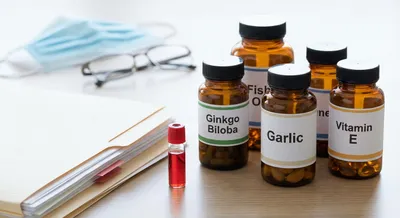
Perioperative Pitfalls: Supplements That Raise Bleeding Risk in Glaucoma Surgery
Many nutritional supplements and herbal remedies affect blood clotting. Below we describe key supplements known to interfere with platelets or...
Deep research and expert guides on maintaining your visual health.
Many nutritional supplements and herbal remedies affect blood clotting. Below we describe key supplements known to interfere with platelets or...
Our visual field test is inspired by the perimetry methods eye care professionals use. Check for blind spots and track changes over time.
Test Your VisionPatient communication means the way a person receiving care and their health team exchange information, concerns, and decisions. It includes what is said, how it is said, and how well both sides listen and understand each other. Clear conversation helps patients learn about their condition, understand options, and give informed consent. Good communication also builds trust and makes it easier to follow treatment plans. Problems like medical jargon, time pressure, or assumptions about what someone knows can lead to confusion or mistakes. Simple techniques like using plain language, asking patients to repeat instructions in their own words, and allowing time for questions make a big difference. Nonverbal signals, such as eye contact, posture, and tone of voice, also affect how messages are received. Being aware of language, cultural differences, and health literacy helps providers tailor their explanations so they are useful and respectful. Better exchanges can reduce errors, improve recovery, and increase satisfaction for both the patient and the care team. If you are preparing for an appointment, write down your questions, bring a friend if helpful, and speak up about concerns so you get the information you need.