

Patient‑Reported Outcomes and Quality of Life After Glaucoma Procedures
Glaucoma procedures vary widely in their effectiveness and recovery, and this shows up in patient-reported outcomes. Minimally invasive glaucoma...
Deep research and expert guides on maintaining your visual health.
Glaucoma procedures vary widely in their effectiveness and recovery, and this shows up in patient-reported outcomes. Minimally invasive glaucoma...
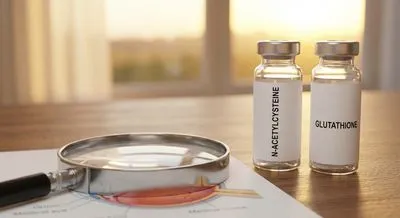
NAC is a lipid-soluble cysteine source that crosses cell membranes and is quickly converted to cysteine, the rate-limiting building block for...
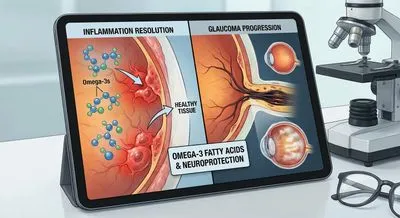
Not all trials find benefit. Some case series and a controlled study in normal-tension glaucoma showed no improvement in visual fields or nerve layer...
Visual field loss from conditions like glaucoma can go unnoticed. Start a free trial and screen for potential blind spots in minutes.
Visual function describes the different abilities involved in seeing and making sense of the world around you. It includes how clearly you can see details (visual acuity), how well you tell objects apart in low contrast or dim light (contrast sensitivity), your side or peripheral vision, the ability to perceive color, depth perception for judging distances, and how the eyes and brain work together to track and interpret movement. These abilities depend on healthy eyes — including the surface of the eye, the lens, the retina, and the optic nerve — as well as the brain areas that process visual signals. Good visual function is essential for everyday tasks like reading, driving, recognizing faces, and avoiding obstacles, so changes in these abilities can affect safety and independence. Many factors can reduce visual function, such as aging, injury, diseases like glaucoma or macular degeneration, nutritional deficiencies, and inflammation. Detecting changes early through eye exams can allow treatments, vision aids, or rehabilitation strategies that slow decline or help people adapt. Protecting eye health with sunlight protection, a nutritious diet, managing chronic diseases, and avoiding smoking also supports visual function over time.