
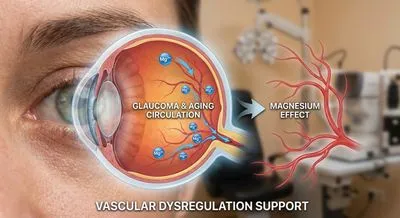
Magnesium for Vascular Dysregulation in Glaucoma and Aging Circulation
Magnesium influences blood vessels and endothelial function in several ways:
Deep research and expert guides on maintaining your visual health.
Magnesium influences blood vessels and endothelial function in several ways:
Visual field loss from conditions like glaucoma can go unnoticed. Start a free trial and screen for potential blind spots in minutes.
An arrhythmia is a problem with the heart’s electrical system that makes the heartbeat come too fast, too slow, or in an irregular pattern. The heart normally beats in a steady, coordinated rhythm because electrical signals tell its chambers when to squeeze and relax. When those signals are disrupted, you may feel palpitations, lightheadedness, shortness of breath, chest discomfort, or sometimes nothing at all. Some types are temporary and harmless, while others can lower the amount of blood the body gets or even be life threatening. Common causes include heart disease, changes in blood chemistry, medicines, stress, or problems with the heart’s electrical wiring. Doctors find arrhythmias using tests like an electrocardiogram (ECG), portable heart monitors, or specialized studies that record electrical activity. Treatments vary widely: lifestyle changes, medicines to control rhythm or rate, procedures to correct faulty electrical pathways, and implanted devices like pacemakers or defibrillators. It matters because certain irregular rhythms increase the risk of stroke, heart failure, or sudden cardiac arrest, so identifying and managing them can protect long-term health and quality of life.