
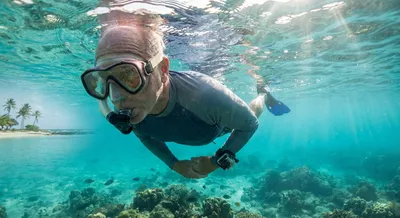
Snorkeling and Glaucoma: Gentle Aquatic Activity with Mask and Sunlight Considerations
Importantly, snorkeling is mostly done at the surface where the water pressure is nearly the same as on land, so you avoid the pressure changes of...
Deep research and expert guides on maintaining your visual health.
Importantly, snorkeling is mostly done at the surface where the water pressure is nearly the same as on land, so you avoid the pressure changes of...
Low-impact exercise refers to physical activities that put minimal stress on your joints and soft tissues. These exercises often involve smooth, controlled movements rather than sudden jolts or heavy impact. Common examples include walking, swimming, cycling, yoga, and gentle strength training. They are a good choice for people recovering from injury, living with chronic pain, older adults, or anyone who wants to reduce wear and tear. Because the body experiences less force, low-impact workouts can be easier to stick with regularly. Despite being gentler, they still improve cardiovascular fitness, muscle strength, balance, and flexibility. You can adjust the intensity to meet different goals by increasing duration, speed, resistance, or the number of repetitions. These exercises also lower the risk of exercise-related injury compared with high-impact activities like running or plyometrics. Paying attention to proper form, gradual progression, and consistency helps you get the most benefit. Choosing low-impact options matters because they make staying active more sustainable and inclusive for a wide range of bodies and abilities.